Let's be brutally honest: the wellness industry often peddles a lot of fluff. But when it comes to sleep, the stakes are too high for platitudes. A staggering 1 in 3 adults don't get enough sleep, according to the CDC, and the long-term health consequences are dire. While we chase expensive gadgets and complicated routines, a fundamental, ancient therapy is often overlooked: touch. Specifically, massage therapy. And no, we're not talking about a fluffy indulgence; we're talking about a powerful neurobiological intervention that can profoundly impact the sleep cycle. The industry has been slow to fully embrace this, often relegating massage to a 'treat' rather than a 'treatment.' That's a mistake we can no longer afford to make.
The Brain's Lullaby: How Touch Calms the Nervous System
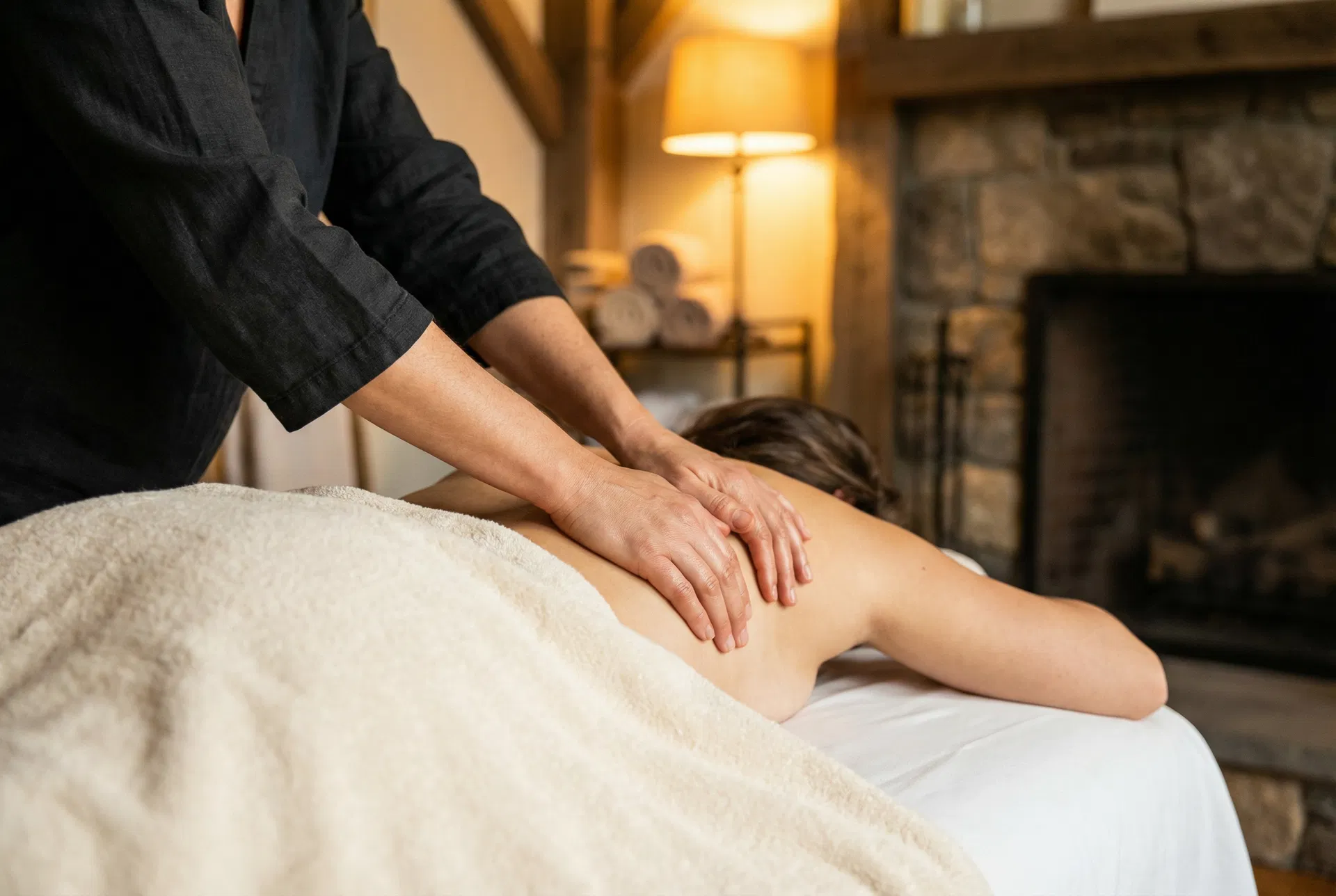
The science is clear: massage isn't just about relaxing muscles; it's about recalibrating the nervous system. When skilled hands work on the body, a cascade of neurochemical changes occurs. The primary players here are serotonin and dopamine, neurotransmitters often associated with mood and well-being. Massage has been shown to increase serotonin levels, which is a precursor to melatonin – the hormone that regulates sleep-wake cycles. Simultaneously, it can reduce cortisol, the stress hormone that keeps us wired and alert. This isn't just anecdotal; studies demonstrate that massage can shift the body from a sympathetic (fight-or-flight) state to a parasympathetic (rest-and-digest) state. This physiological downshift is the brain's lullaby, preparing it for deeper, more restorative sleep. It's a direct, non-pharmacological pathway to a calmer mind and body, bypassing the pharmaceutical merry-go-round that too many clients find themselves on.
Rewiring the Circadian Rhythm: Beyond Relaxation
While relaxation is a welcome side effect, the true power of massage for sleep lies in its potential to influence the body's circadian rhythm. Chronic stress, irregular schedules, and excessive screen time can wreak havoc on this internal clock. Massage, particularly when received consistently and at strategic times, can act as a powerful anchor. By consistently inducing that parasympathetic state and boosting serotonin, it helps to reinforce the natural sleep-wake cycle. Think of it as a gentle, yet firm, hand guiding your body back to its innate rhythm. This isn't a quick fix; it's a retraining. For clients struggling with insomnia or disrupted sleep patterns, a regular massage regimen isn't just about feeling good; it's about actively participating in the re-education of their nervous system. This is where the true value proposition for sophisticated wellness clients lies – not in a one-off indulgence, but in a structured, therapeutic approach to health.
The Uncomfortable Truth: Accessibility and Strategic Integration
Here's where we hit an uncomfortable truth: despite its profound benefits, massage therapy is often seen as a luxury, not a necessity, especially when it comes to chronic conditions like sleep disorders. This perception is a failure of both marketing and integration within the broader healthcare landscape. We, as an industry, have a responsibility to shift this narrative. Consider Sarah, a high-performing executive who suffered from chronic insomnia, cycling through various sleep aids with limited success. Her therapist, a seasoned professional, recognized the pattern: high cortisol, constant mental chatter. Instead of just offering a 'relaxing' massage, they designed a strategic series of sessions, focusing on deep tissue and cranial sacral work in the late afternoon. Within weeks, Sarah reported not just falling asleep faster, but experiencing deeper, uninterrupted sleep. This wasn't magic; it was the strategic application of neuroscience. This kind of targeted approach requires therapists to be more than just technicians; they need to be wellness strategists. And for spa owners, it means offering structured programs, not just à la carte services. This is where platforms like Klinika can empower businesses to manage these complex client journeys effectively.
What the Research Says: From Harvard to the Sleep Foundation
The scientific community has been steadily building a compelling case for massage as a sleep aid. Harvard Health Publishing highlights massage's ability to reduce pain and anxiety, both significant barriers to sleep. The Arthritis Foundation notes its efficacy in improving sleep for those with chronic pain. Most directly, the Sleep Foundation explicitly endorses massage therapy for improving sleep quality, citing its ability to increase delta waves (associated with deep sleep) and reduce sleep disturbances. This isn't fringe science; it's mainstream medical endorsement. For example, a systematic review and meta-analysis published by PubMed found massage therapy to be effective for improving insomnia. Furthermore, another systematic review and meta-analysis on PubMed concluded that massage therapy significantly improves sleep quality. Yet, the disconnect between this robust evidence and its widespread adoption as a primary sleep intervention remains. It's up to us, the industry insiders, to bridge this gap, educating both clients and healthcare providers on the profound, evidence-based impact of touch therapy on the sleep cycle. The research is there; now it's about strategic implementation.
Key Takeaways
- Massage directly impacts neurochemicals like serotonin and cortisol, promoting a 'rest-and-digest' state crucial for sleep.
- Consistent massage can help recalibrate disrupted circadian rhythms, guiding the body back to natural sleep patterns.
- Educate clients on the therapeutic, not just luxurious, benefits of massage for sleep.
- Encourage strategic timing of sessions (e.g., late afternoon) for maximum sleep benefit.
- Position massage as a vital, evidence-based tool in a holistic sleep strategy.
The future of wellness isn't about more pills or fleeting trends; it's about rediscovering and strategically applying fundamental human needs, like touch. For too long, massage has been underestimated, relegated to the periphery of serious health discussions. But as the science mounts and the demand for non-pharmacological solutions grows, the opportunity to position touch therapy as a cornerstone of sleep health is immense. It's time for spa owners and therapists to step up, embrace the neuroscience, and offer truly transformative sleep solutions. The clients are out there, desperately searching for real answers. It's time we gave them one. To explore more insights and tools for your wellness business, explore more on our blog or get started with Klinika today.