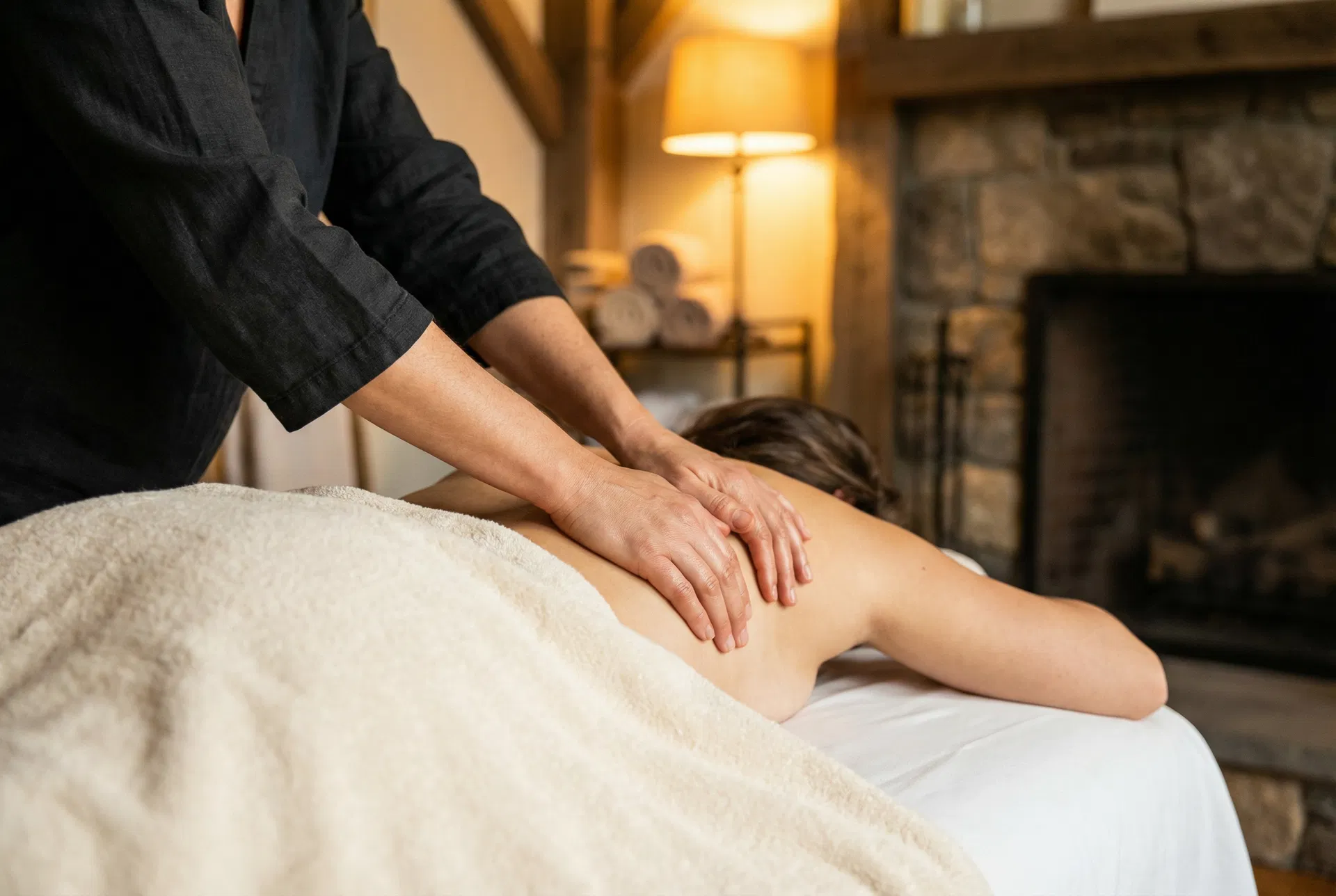
Let's be brutally honest: most of us are sleep-deprived, and we're often looking for a quick fix. We chug coffee, pop melatonin, and scroll endlessly, all while our bodies are screaming for genuine rest. But what if one of the most ancient forms of healing — massage — holds a key to unlocking truly restorative sleep? It's not just about feeling relaxed; it's about recalibrating a system that modern life has thrown into chaos. And the industry, for all its glossy brochures, sometimes misses the profound, fundamental impact it can have.
The Unseen Battle: Stress Hormones and Your Sleep Cycle
You walk into a spa, tense and wired. An hour later, you're practically drooling on the table. This isn't magic; it's physiology. Massage therapy directly impacts your autonomic nervous system, shifting you from a sympathetic (fight-or-flight) state to a parasympathetic (rest-and-digest) one. Cortisol, the notorious stress hormone, plummets. Serotonin and dopamine, our feel-good neurotransmitters, rise. This isn't just anecdotal; studies, like those from the Touch Research Institute, have consistently shown these biochemical shifts. Yet, how many clients truly understand they're not just getting a rub-down, but a neurochemical reset? And how many therapists are empowered to articulate this profound benefit beyond 'relaxation'?
Beyond the Buzzwords: The Realities of Modern Sleep Disruption
We live in an always-on world. Blue light, constant notifications, the relentless pressure to perform — it's a perfect storm for sleep disruption. Our bodies are designed for cycles of activity and rest, but we've overridden them with artificial light and digital demands. This isn't just about feeling tired; chronic sleep deprivation is linked to everything from heart disease and diabetes to impaired cognitive function and mental health crises. Massage, in this context, isn't a luxury; it's a necessary intervention. It forces a pause, a disconnection from the external stimuli that constantly hijack our attention and disrupt our natural circadian rhythms. It's a forced surrender, and for many, it's the only time they truly allow themselves to be still.
The Therapist's Role: More Than Just Hands-On
As a therapist, you're not just applying pressure; you're facilitating a profound physiological shift. You're a conduit for healing, often witnessing the raw exhaustion and stress your clients carry. I remember one therapist, Sarah, who worked in a high-end mobile spa. She told me about a client, a high-powered executive, who would consistently fall asleep on her table. The executive later confessed that Sarah's sessions were the only time she felt truly safe enough to let go and rest, even if it was just for an hour. Sarah realized her role wasn't just about muscle knots; it was about creating a sanctuary for profound rest in a client's chaotic life. This is the power you wield, and it’s why platforms like Klinika are so critical — they empower you to focus on this deep work, not just the logistics.
Integrating Wellness: A Holistic Approach to Rest
For spa owners and wellness professionals, understanding this deep connection between massage and sleep isn't just good for your clients; it's good for business. It elevates your services beyond mere pampering to essential health interventions. Consider offering packages specifically targeting sleep health, or educating your clients on how regular sessions can be a cornerstone of their sleep hygiene. This isn't about selling more massages; it's about selling better health, better quality of life, and ultimately, better sleep. It's about recognizing that the body's need for restorative touch is as fundamental as its need for food and water, and that you are providing a vital service in a world starved for both.
Key Takeaways
- Educate Your Clients: Explain the physiological benefits of massage on stress hormones and the nervous system.
- Promote Consistency: Frame massage as a regular practice for sleep hygiene, not just an occasional treat.
- Create a Sanctuary: Ensure your environment (even mobile) supports deep relaxation and disconnection.
- Empower Your Therapists: Equip them with the knowledge to articulate the profound sleep benefits of their work.
- Integrate with Other Practices: Suggest complementary routines like meditation or mindful breathing alongside massage.
The journey to better sleep is complex, but the role of therapeutic touch is undeniable. As an industry, we have an opportunity, and perhaps a responsibility, to move beyond superficial notions of relaxation and embrace the profound, restorative power of massage. It’s not just about making people feel good; it’s about helping them reclaim a fundamental human need. To explore more insights and empower your wellness business, get started with Klinika today. Let's help the world sleep better, one massage at a time.