Let's be brutally honest: the wellness industry, for all its good intentions, often peddles a lot of expensive fluff. Aromatherapy, in particular, has become a poster child for this, reduced to scented candles and 'detox' blends that do little more than lighten your wallet. But beneath the veneer of overpriced diffusers and dubious claims lies a potent, scientifically-backed tool for stress relief that has been systematically misunderstood, misrepresented, and, frankly, exploited. It's time to cut through the noise and reclaim aromatherapy for what it truly is: a powerful ally in the battle against modern-day anxiety.
The Science Beyond the Scent: How Aromatherapy Actually Works
Before we delve into the 'how-to,' let's dismantle the myth that aromatherapy is just about smelling nice. While the olfactory experience is central, the mechanism is far more intricate. When you inhale essential oil molecules, they travel directly to your limbic system – the brain's emotional control center. This isn't some New Age fantasy; it's basic neurobiology. The amygdala, hippocampus, and hypothalamus, all key players in mood, memory, and stress response, are directly influenced. Think of it as a direct line, bypassing conscious thought, to regulate your nervous system. Studies, like those published in the Journal of Clinical Aromatherapy, have repeatedly shown reductions in cortisol levels and improvements in subjective stress ratings following exposure to specific essential oils. It's not magic; it's pharmacology delivered via your nose. Understanding this fundamental principle is crucial for any wellness professional looking to integrate aromatherapy ethically and effectively into their practice or for clients seeking genuine relief.
Navigating the Wild West: Sourcing, Quality, and the Snake Oil Salesmen
Here’s where it gets uncomfortable. The essential oil market is a free-for-all, largely unregulated, and rife with charlatans. Every multi-level marketing company with a 'wellness' angle has jumped on the bandwagon, often making outrageous, unsubstantiated claims and pushing products of questionable purity. As a spa owner or therapist, your reputation, and more importantly, your clients' well-being, depend on your ability to discern genuine therapeutic-grade oils from glorified air fresheners. A '100% pure' label means absolutely nothing without third-party GC/MS (Gas Chromatography/Mass Spectrometry) testing results. I once consulted for a small spa that was buying what they thought were premium oils, only to find out through independent testing that their 'lavender' was mostly synthetic linalool and their 'frankincense' was heavily diluted with a cheap carrier oil. The owner was mortified. This isn't just about efficacy; it's about trust and safety. Educate yourself, demand transparency, and don't be swayed by marketing hype. Your integrity is worth more than a bulk discount.
Beyond the Diffuser: Practical Applications for Deep Stress Relief
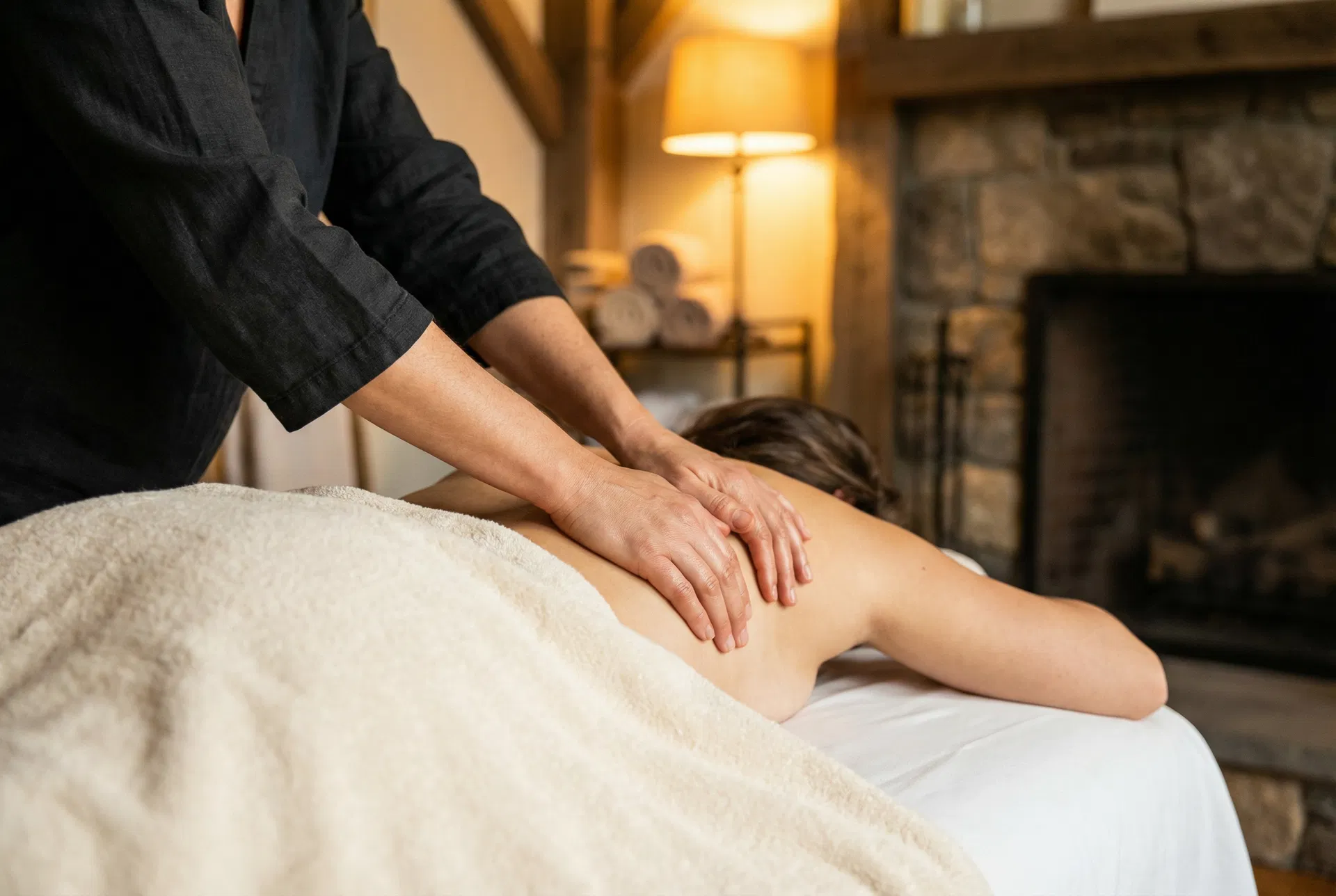
While diffusing is a common application, it's just one facet of aromatherapy's potential. For targeted stress relief, consider topical application, always diluted in a carrier oil (like jojoba or almond oil). A simple pulse point application – wrists, temples, neck – can offer immediate, localized relief. In a professional setting, incorporating essential oils into massage therapy, as a foot soak, or even a customized inhaler blend for clients to take home, elevates the experience and extends the therapeutic benefits. For instance, a blend of bergamot, frankincense, and vetiver applied to the feet before bed can significantly improve sleep quality, a cornerstone of stress management. Remember, less is often more. A single drop of a high-quality essential oil is far more potent than ten drops of a diluted or synthetic product. Tailoring the application method to the client's needs and preferences is key to maximizing impact and ensuring a truly personalized wellness journey. This thoughtful approach is what sets a true professional apart.
The Unseen Costs: Ethical Sourcing and Sustainability in Aromatherapy
We can't talk about 'wellness' without addressing the ethical footprint of our practices. Many popular essential oils come from regions with vulnerable ecosystems and communities. Sandalwood, frankincense, and rosewood, for example, have faced severe overharvesting, leading to deforestation and exploitation of local laborers. As consumers and professionals, we have a responsibility to look beyond the bottle. Are the suppliers you choose committed to sustainable harvesting practices? Do they ensure fair wages and safe working conditions for their distillers and farmers? The 'cheap' essential oil often comes with a hidden cost – environmental degradation and human suffering. This isn't just about feeling good; it's about doing good. Supporting companies that prioritize ethical sourcing, fair trade, and environmental stewardship isn't just a moral imperative; it's a critical component of holistic wellness. It ensures that the relief you find isn't built on the back of someone else's burden. For spa owners, this commitment can also be a powerful differentiator, attracting clients who value conscious consumption.
Key Takeaways
- Prioritize essential oil quality: demand GC/MS reports and avoid unregulated brands.
- Understand the science: aromatherapy impacts the limbic system, not just your nose.
- Explore diverse applications: beyond diffusing, consider topical use, inhalers, and baths.
- Educate clients: empower them to make informed choices about their aromatherapy.
- Support ethical sourcing: choose suppliers committed to sustainability and fair trade.
Aromatherapy, when approached with integrity, knowledge, and a healthy dose of skepticism for industry hype, is an incredibly powerful tool for stress relief and overall well-being. It's not a magic bullet, but a potent adjunct to a holistic lifestyle. For spa owners and therapists, integrating high-quality, ethically sourced aromatherapy can elevate your offerings and deepen client trust. For wellness clients, it offers a pathway to profound self-care. The future of wellness demands transparency, efficacy, and a commitment to both personal and planetary health. Let's reclaim aromatherapy from the noise and use it to build a more authentic, impactful wellness experience for everyone. To explore more insights and tools for your wellness business, explore more on our blog or get started with Klinika today.