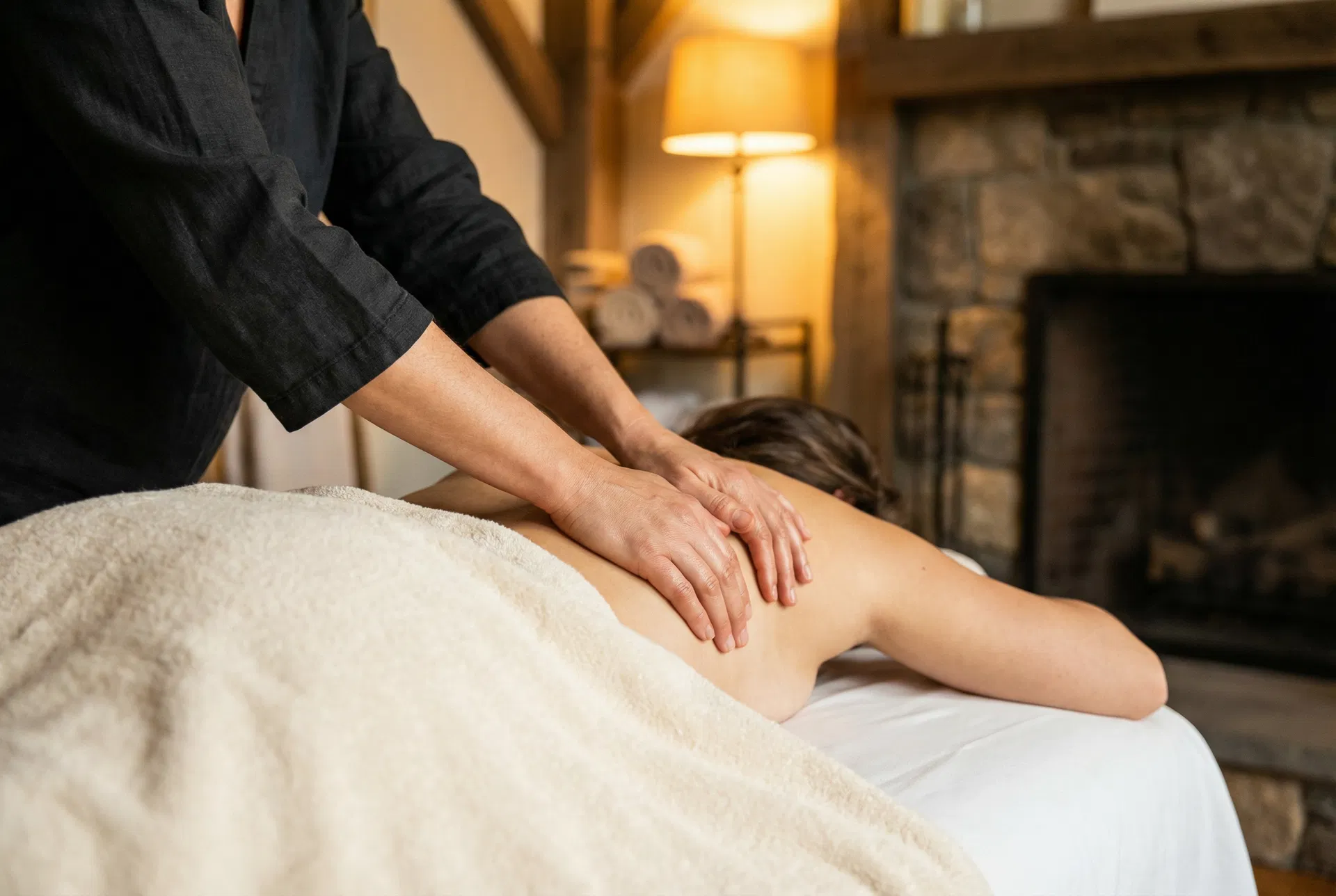
Let's be brutally honest: for too long, the wellness industry has treated scalp massage as an afterthought, a pleasant add-on, or a 'fluff' service. We've been conditioned to think of it as a mere indulgence, a quick rub during a haircut. But what if I told you that this seemingly simple act holds profound, scientifically-backed benefits that are not only transformative for clients but also represent an untapped goldmine for mobile spa businesses and therapists willing to truly understand its power? It's time to strip away the corporate sanitization and look at the real, often uncomfortable, truth about why we've been underselling this vital practice.
Beyond the 'Feel Good' Factor: The Science of Scalp Health
When clients book a massage, they often focus on their back, neck, or shoulders. The scalp? Not so much, unless it's bundled into a hair treatment. But the scalp is a highly vascularized, nerve-rich area, a direct gateway to relaxation and physiological benefits. Regular scalp massage isn't just about a momentary sigh of relief; it's about stimulating blood flow, reducing tension, and even promoting hair health. Think about it: our scalps endure constant tension from stress, environmental factors, and even our hairstyles. This tension can restrict blood flow, leading to issues from headaches to impaired hair growth. A good scalp massage, performed with intention and knowledge, can dramatically alleviate this. As Medical News Today notes, benefits include improved circulation, stress reduction, and even potential hair growth stimulation. This isn't just anecdotal; it's rooted in the body's physiological response to touch and pressure.
The Unspoken Epidemic of Stress and Its Scalp Manifestations
We live in an era of chronic stress, and its impact isn't just mental; it's physical, and often, it manifests in ways we don't immediately recognize. Headaches, jaw tension, even unexplained hair thinning can often be traced back to persistent stress and the resulting muscle contraction in the head and neck. I recall a client, a high-powered executive who ran her own mobile spa business, who came to me complaining of constant, dull headaches. She'd tried everything – chiropractic, acupuncture, even Botox for migraines. During a routine full-body session, I spent an extra 15 minutes focused purely on her scalp, using gentle but firm pressure. She later told me it was the first time in months she'd felt her head 'unclench.' This isn't magic; it's simply addressing a neglected area where stress accumulates. We're not just massaging a head; we're releasing a pressure valve for the entire nervous system. Ignoring the scalp in a wellness routine is like trying to fix a leaky roof by painting the walls – you're missing a critical component of the problem.
Hair Growth: The Industry's Dirty Little Secret
Let's talk about hair. The hair care industry is a multi-billion dollar behemoth, often peddling expensive, sometimes ineffective, products for hair growth and scalp health. What they often won't emphasize is the power of manual stimulation. While scalp massage isn't a miracle cure for baldness, consistent, proper technique can significantly improve the environment for healthy hair growth. By increasing blood circulation to the hair follicles, a scalp massage delivers more oxygen and nutrients, which are essential for follicle vitality. It also helps to distribute natural oils, keeping the scalp moisturized and less prone to dryness or irritation. Many clients spend fortunes on serums and treatments, yet overlook the fundamental, free (or easily accessible) practice of scalp stimulation. It's a foundational element that can amplify the effects of other treatments or stand alone as a powerful preventative measure. The industry often prefers you buy a product over learning a technique, but the truth is, the human touch has an undeniable, organic power.
The Untapped Potential for Spa Professionals
For mobile spa owners and massage therapists, understanding and emphasizing the benefits of scalp massage isn't just about client well-being; it's a strategic business move. It allows for differentiation in a crowded market. Instead of just offering 'another massage,' you can position yourself as a specialist in holistic head and scalp health. This opens doors to new service offerings, higher-value packages, and a reputation for truly addressing client needs. Imagine offering a 'Tension Release Head & Scalp Therapy' or a 'Follicle Rejuvenation Treatment' that goes beyond a quick shampoo scrub. This isn't just about adding a few minutes to a service; it's about elevating the entire experience and providing tangible, noticeable results. Mobile spas, in particular, can capitalize on this by bringing specialized scalp treatments directly to clients' homes, offering a level of personalized care often missing in traditional spa settings. For those looking to optimize their business operations and client management, Klinika provides the tools to effectively manage these specialized services and more.
Key Takeaways
- Educate your clients: Don't let scalp massage be an afterthought; explain its profound benefits.
- Integrate it strategically: Offer dedicated scalp treatments or enhance existing services with extended scalp work.
- Focus on technique: Learn and master various scalp massage techniques to maximize benefits.
- Market the 'why': Emphasize stress reduction, headache relief, and hair health, not just relaxation.
- Utilize technology: Leverage platforms like Klinika to streamline booking and management for specialized services.
The wellness industry is constantly evolving, but some truths remain timeless. The power of human touch, applied with intention and knowledge, is one of them. Scalp massage is more than a luxury; it's a therapeutic necessity that has been criminally undervalued. As professionals, it's our responsibility to reclaim its true significance, educate our clients, and integrate it as a core component of holistic well-being. By doing so, we not only improve lives but also elevate our own practices. To dive deeper into industry insights and best practices, explore more on our blog.