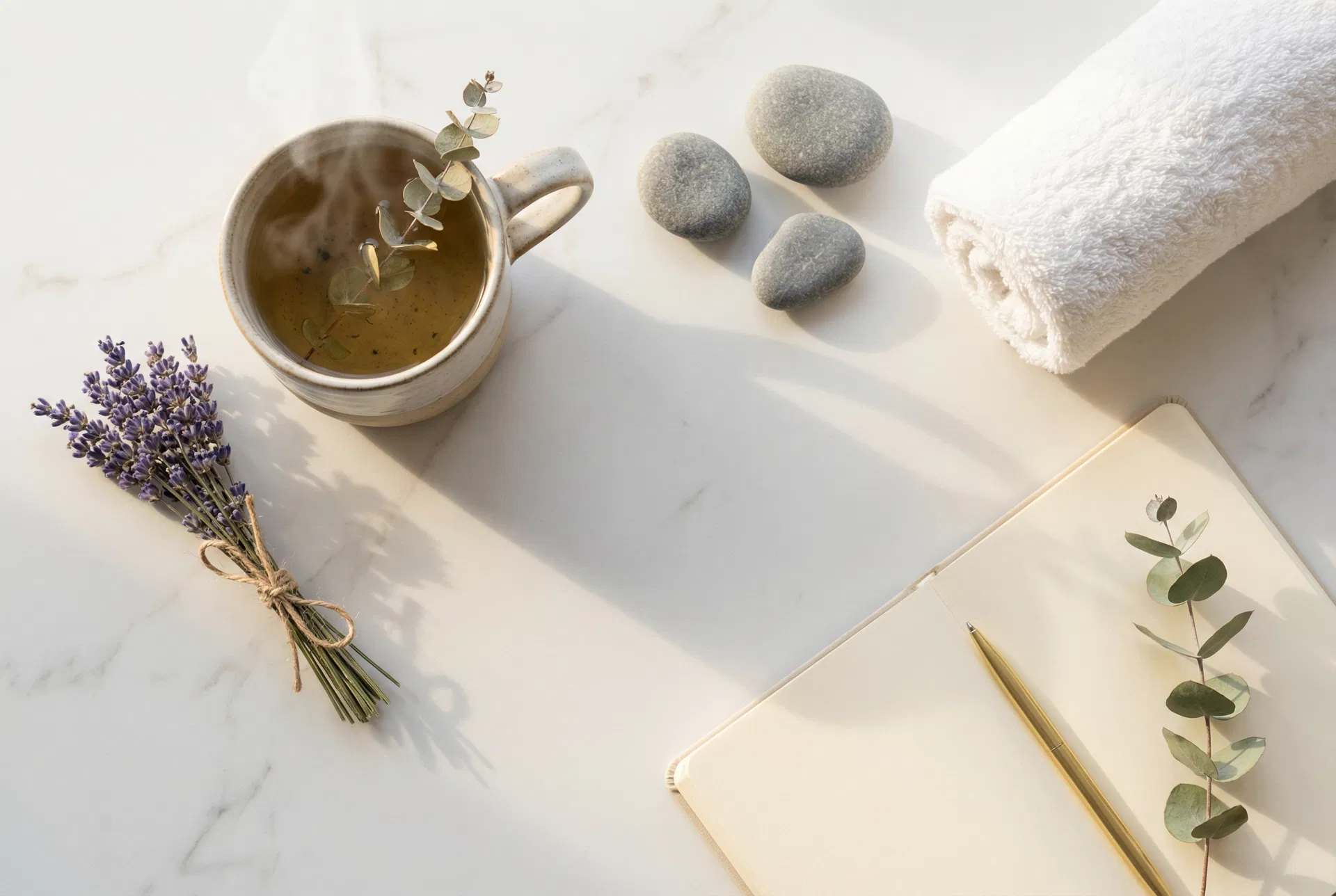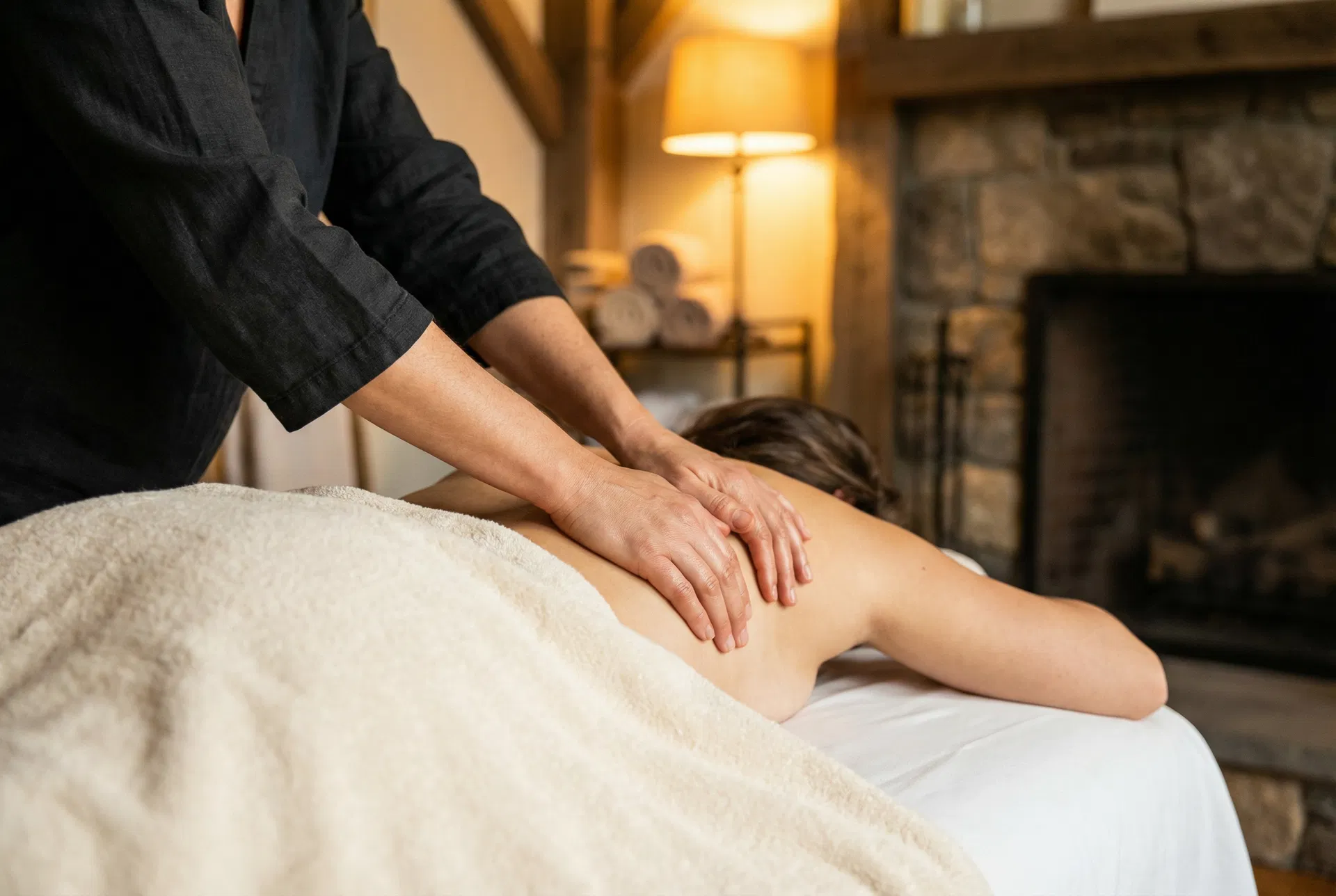
Let's be brutally honest: for an industry built on tranquility, the wellness world can be a pressure cooker. Spa owners juggle staff, schedules, and supplies. Therapists battle burnout and client expectations. And clients? They're often just trying to outrun the relentless hum of modern life, seeking solace in a world that promises peace but frequently delivers performative wellness. Amidst this chaos, aromatherapy often gets relegated to a pleasant afterthought – a nice smell, a gentle enhancement. But what if I told you it's one of the most potent, yet frequently misunderstood, tools in our arsenal against chronic stress, capable of delivering profound, measurable impact when wielded correctly?
The Unvarnished Truth About Essential Oils
Before we dive into the 'how,' let's address the elephant in the room: the essential oil market. It's a Wild West of claims, multi-level marketing, and dubious purity standards. As an industry insider, I've seen it all – from legitimate, ethically sourced distillates to bottles of glorified fragrance oil peddled as therapeutic grade. This isn't just about efficacy; it's about client trust and, frankly, safety. A truly effective aromatherapy practice begins with uncompromising quality. You need to know your suppliers, understand distillation methods, and be able to discern a genuine therapeutic oil from a synthetic knock-off. Don't be swayed by fancy labels or aggressive sales tactics. Research, ask for GC/MS reports, and prioritize transparency. Your clients deserve better than overpriced perfume masquerading as medicine. This diligence is not just good practice; it's essential for maintaining the integrity of your services and ensuring the positive outcomes you promise.
Beyond the Diffuser: Practical Applications for Deep Relief
Aromatherapy isn't just about filling a room with a pleasant scent, though that's a valid starting point. Its true power lies in targeted application and understanding the nuanced physiological responses different oils elicit. For a therapist, this means integrating oils into massage, facials, or even pre-treatment rituals to prime the nervous system. For a client, it's about creating personalized self-care routines. Consider topical application diluted in a carrier oil for direct absorption, or steam inhalation for respiratory and immediate emotional impact. Think about the specific stressor: is it mental fatigue? Try rosemary or lemon. Is it anxiety and overwhelm? Lavender, frankincense, or bergamot. Muscle tension? Marjoram or peppermint. The key is intentionality. Don't just grab a bottle; understand its properties and how it interacts with the body's limbic system and olfactory receptors. This moves aromatherapy from a passive experience to an active, therapeutic intervention.
The Science of Scent: How Aromatherapy Rewires Stress Responses
This isn't woo-woo; it's neuroscience. When you inhale an essential oil, its volatile molecules travel directly to the olfactory bulb, which is part of the limbic system – the brain's emotional control center. This direct pathway bypasses conscious thought, influencing heart rate, blood pressure, stress hormone levels (like cortisol), and even mood. Studies by institutions like the Journal of Clinical Aromatherapy and research cited by the National Institutes of Health consistently demonstrate the impact of specific essential oils on the autonomic nervous system. For instance, lavender has been shown to increase alpha brain waves, promoting relaxation, while citrus oils can elevate mood and reduce perceived stress. Understanding this mechanism allows us to move beyond anecdotal evidence and apply aromatherapy with scientific precision. It's not just about smelling good; it's about signaling the brain to shift from 'fight or flight' to 'rest and digest.'
The Ethical Tightrope: When Aromatherapy Becomes Exploitation
Here's where it gets uncomfortable. I once knew a spa owner who, under pressure to cut costs, started diluting their 'premium' essential oils with cheap carrier oils, sometimes even synthetic fragrances, while still charging top dollar. Their rationale? 'Clients won't know the difference.' But they did. Not consciously, perhaps, but the therapeutic effect diminished, and repeat business suffered. This isn't just bad business; it's an ethical breach. It exploits client vulnerability and undermines the very foundation of wellness. As professionals, we have a responsibility to uphold the integrity of our craft. For spa owners using Klinika to manage their operations, transparency in sourcing and application isn't just a marketing ploy; it's a non-negotiable aspect of client care. For therapists, it's about advocating for quality products and educating clients on what to look for. Don't let the bottom line overshadow your commitment to genuine healing. The industry is rife with shortcuts; choose the path of integrity.
Building a Resilient Practice (and Self) with Aromatherapy
Integrating aromatherapy effectively into a spa business or personal wellness routine requires both knowledge and a commitment to quality. For spa owners, this means training your staff, investing in high-grade oils, and clearly communicating their benefits and origins to clients. For therapists, it's about continuous education, understanding contraindications, and developing personalized blends that address individual client needs. And for clients, it's about becoming an informed consumer, asking questions, and trusting your own intuition about what feels right. Aromatherapy, when done right, isn't a luxury; it's a powerful, accessible tool for managing the relentless demands of modern life. It's about empowering individuals to take control of their stress responses, fostering a deeper connection to their own well-being, and creating spaces – both physical and internal – where genuine healing can occur.
Key Takeaways
- Prioritize essential oil quality: demand GC/MS reports and understand sourcing.
- Move beyond diffusion: explore topical application, inhalation, and personalized blends.
- Educate yourself and your clients on the science behind aromatherapy's effects.
- Integrate aromatherapy intentionally into services or daily routines for targeted relief.
- Uphold ethical standards: never compromise on product integrity or client trust.
The path to genuine stress relief isn't paved with quick fixes or superficial solutions. It demands a holistic approach, a deep understanding of both the human condition and the tools at our disposal. Aromatherapy, when approached with respect, knowledge, and integrity, offers a profound avenue for achieving that relief. It's time we stopped treating it as an accessory and started recognizing it for the powerful, transformative practice it truly is. Let's elevate the conversation, empower our clients, and build a wellness industry that truly delivers on its promise of well-being. Ready to make a real impact? Get started with a platform that supports your vision for excellence.