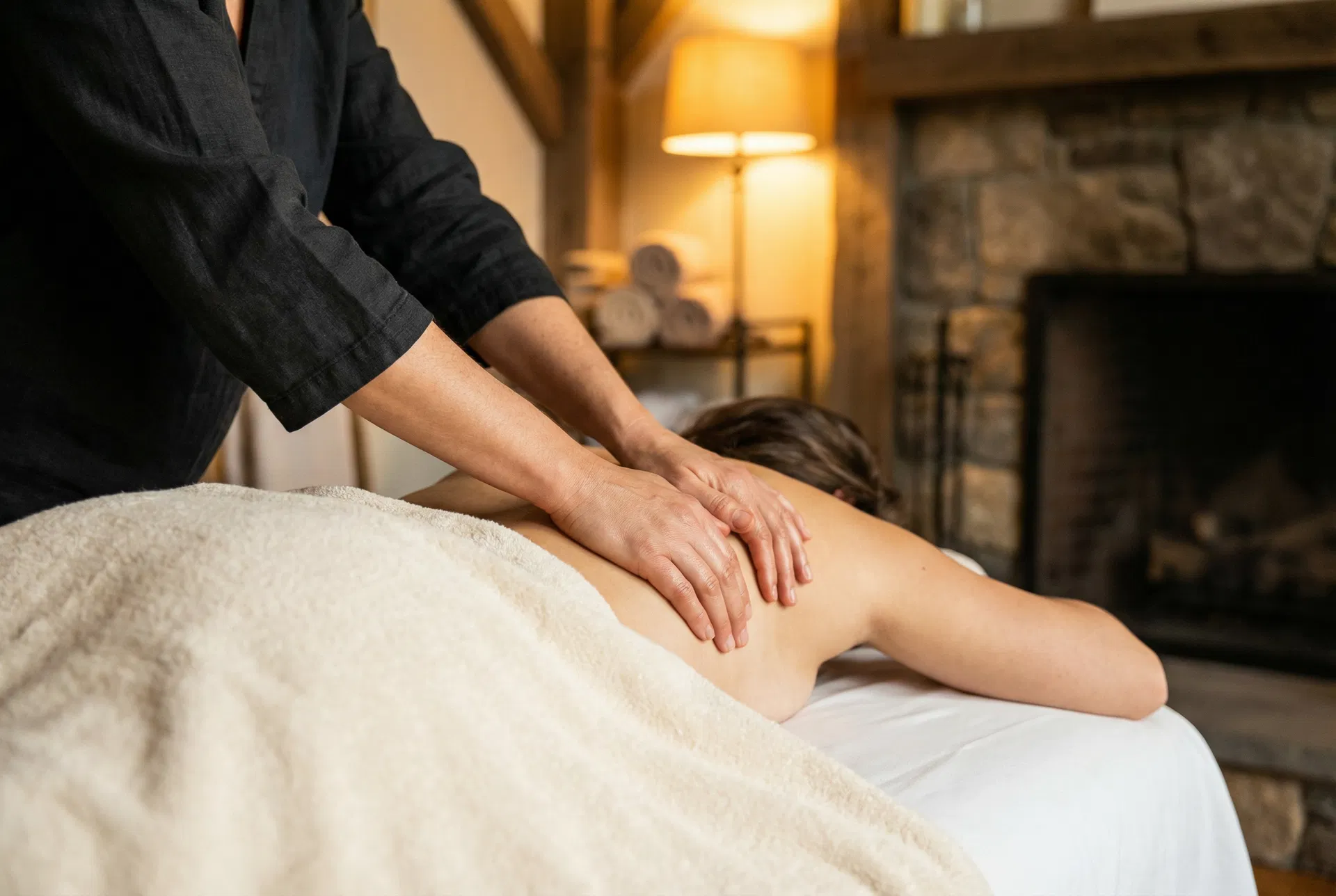
Let's be brutally honest: the traditional spa model, for many massage therapists, has become unsustainable. While clients often envision serene environments and pampering, the reality behind the scenes for the practitioners is frequently one of burnout, underpayment, and a profound lack of autonomy. We're witnessing a quiet exodus, a steady stream of highly skilled professionals trading plush robes and soft music for the open road and the undeniable allure of independence.
The Illusion of Stability vs. The Reality of Exploitation
For decades, working in a spa was seen as the pinnacle for a massage therapist: a steady stream of clients, a beautiful setting, and the promise of a professional environment. But peel back the curtain, and you often find a different story. Many therapists report earning as little as 30-40% of the service fee, sometimes even less, for their highly skilled labor. When you factor in the physical toll, the emotional energy expended, and the constant pressure to upsell, that percentage quickly feels like exploitation. Spas often shoulder the marketing and overhead, yes, but the disproportionate cut taken often leaves therapists feeling like cogs in a machine, not respected professionals. The U.S. Bureau of Labor Statistics highlights the median pay for massage therapists, but it rarely captures the significant variations and the often-meager take-home pay after commission splits and tip-sharing schemes in many traditional settings.
The Grind: Burnout and Lack of Autonomy
Imagine working eight hours a day, performing five or six deep tissue massages, often back-to-back, with minimal breaks. Now imagine doing that five or six days a week. This isn't an exaggeration; it's the daily reality for countless spa therapists. The physical demands are immense, leading to chronic pain, repetitive strain injuries, and premature career exits. Beyond the physical, there's the mental fatigue of constantly being 'on,' catering to every client's need, and adhering to rigid spa protocols that often stifle a therapist's unique approach. Mobile work, by contrast, offers the ability to control one's schedule, limit the number of sessions per day, and tailor each experience to both the client's needs and the therapist's energy levels. This autonomy isn't just a perk; it's a lifeline against burnout.
The Siren Song of Financial Freedom and Flexibility
Let's talk numbers. A mobile therapist, even after accounting for travel and supplies, often retains 70-90% of their service fee. This isn't just a marginal improvement; it's a game-changer. For a therapist charging $100 for an hour-long session, keeping $70-90 instead of $30-40 means they can work fewer hours, earn more money, and invest in their own well-being and continuing education. This financial freedom translates directly into a better quality of life, allowing them to truly embody the wellness principles they preach. Moreover, the flexibility of mobile work means therapists can build a schedule that accommodates family, personal appointments, or even other passions, rather than being dictated by a spa's operational hours.
A Real-World Story: Sarah's Shift
Consider Sarah, a talented therapist who spent seven years at a high-end resort spa. She loved her clients and the beautiful environment, but she was exhausted. She was consistently booked solid, often working 10-hour days, and her hands ached constantly. Her take-home pay, after commissions and taxes, barely covered her bills. When her spa introduced a new, mandatory 'upsell' quota for retail products, she felt her integrity compromised. She realized she was trading her health and passion for a meager paycheck and corporate pressure. Sarah eventually transitioned to mobile work, using a platform like Klinika to manage her bookings and client relationships. She now works three days a week, sees fewer clients, charges a higher rate, and earns more than she ever did at the spa. Her hands feel better, her stress levels have plummeted, and she feels genuinely appreciated by her clients. Her story isn't unique; it's a common thread in the tapestry of this industry shift.
The Client's Perspective: Convenience and Personalization
It's not just therapists benefiting. Clients are increasingly seeking the convenience and personalized experience that mobile massage offers. In our fast-paced world, the idea of a professional massage therapist coming directly to their home or office is incredibly appealing. It eliminates travel time, childcare hassles, and the sometimes-impersonal feel of a large spa. The therapeutic benefits of massage, as Medical News Today confirms, are undeniable, and bringing that relief directly to the client's preferred environment enhances the overall experience and effectiveness. This demand from the client side further fuels the growth of the mobile wellness sector, creating a robust market for independent practitioners.
Key Takeaways
- Traditional spa models often lead to therapist burnout and underpayment.
- Mobile work offers significantly higher earning potential and scheduling flexibility.
- Autonomy and control over one's practice are major drivers for therapists.
- Clients are increasingly seeking the convenience and personalization of mobile services.
- Technology platforms are enabling therapists to build thriving independent businesses.
The writing is on the wall. The traditional spa industry must adapt, offering more equitable compensation, greater therapist autonomy, and a genuine commitment to practitioner well-being, or continue to hemorrhage its most talented professionals. For therapists, the future is increasingly mobile, empowered by platforms that connect them directly with clients and give them the reins of their own careers. It’s a shift not just in how massage is delivered, but in who controls the narrative and the value of this essential healing art. To explore more insights into the evolving wellness industry and how technology is shaping it, feel free to get started with us.