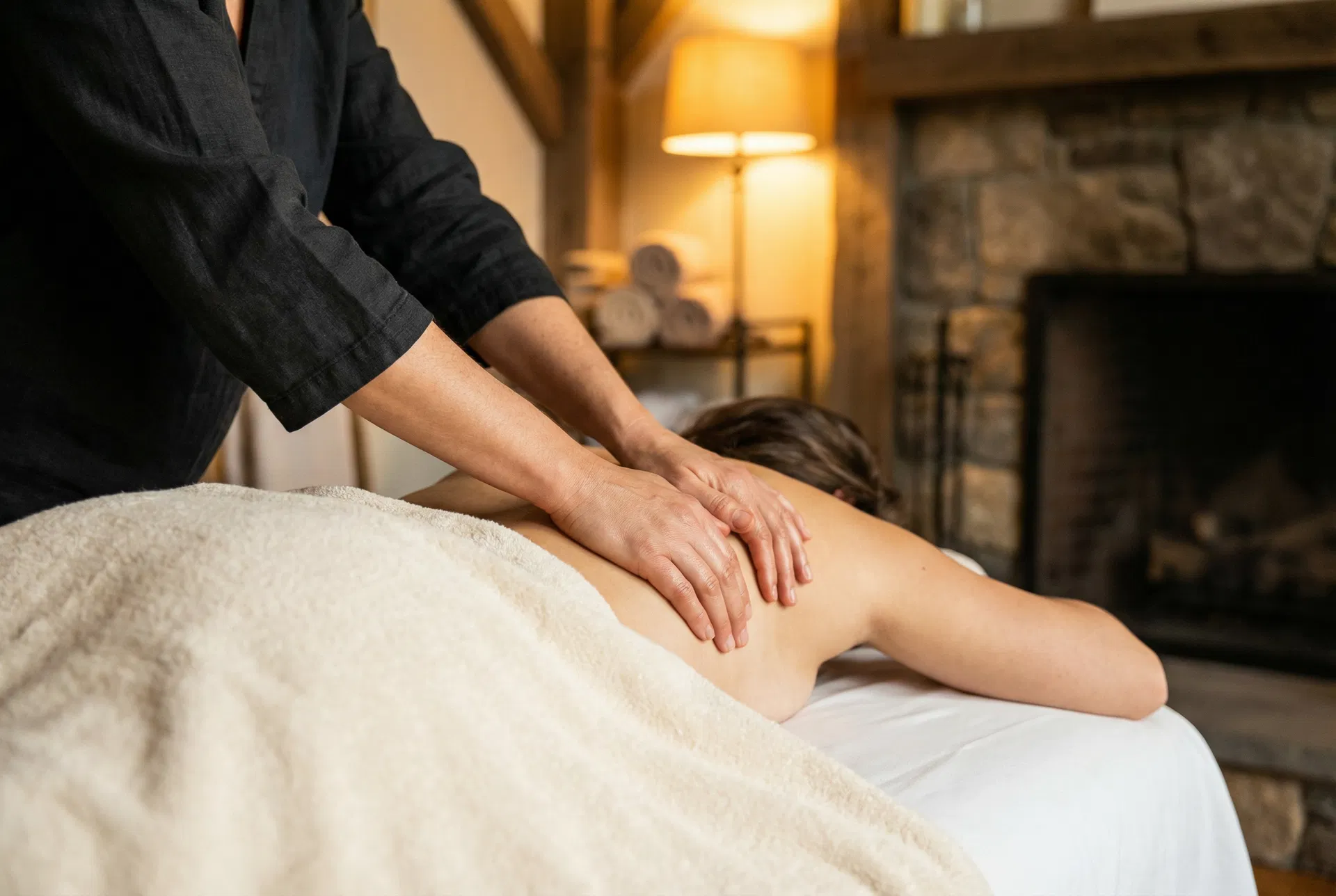
Forget the serene spa music and perfectly lit rooms. The reality of a mobile massage therapist's day is a gritty, unvarnished blend of physical labor, emotional intelligence, and relentless logistical acrobatics. It's not for the faint of heart, and anyone telling you otherwise is either blissfully ignorant or selling something. The industry often paints a picture of tranquil healing, but behind the scenes, mobile therapists are navigating traffic, hauling heavy equipment, and often dealing with the unexpected – from last-minute cancellations to clients with unrealistic expectations. It’s a calling, yes, but it’s also a grind that demands resilience and a thick skin.
The Unseen Labor: More Than Just Hands-On Time
When a client books a mobile massage, they see the therapist arrive, set up, perform the service, and pack up. What they don't see is the hour or more of prep work before the first appointment, or the meticulous breakdown and travel between clients. This isn't a 60-minute session; it's often a 3-hour block when you factor in travel, setup, breakdown, and administrative tasks. The U.S. Bureau of Labor Statistics might report median hourly wages, but those figures rarely account for the unpaid time spent driving, cleaning equipment, or managing bookings. This hidden labor significantly impacts a mobile therapist's true hourly earnings, often pushing them far below perceived rates. It's a constant battle to optimize routes, manage fuel costs, and ensure every piece of equipment is pristine and ready for the next unique environment.
Navigating the Unknown: From Mansions to Messes
One of the most challenging aspects of mobile massage is the sheer unpredictability of the client environment. You might be setting up in a sprawling penthouse overlooking the city one hour, and the next, you're carefully maneuvering your table around a cluttered living room, trying to find a safe, clean space. Therapists often arrive to discover pets that aren't secured, children running rampant, or a general lack of privacy that makes creating a therapeutic atmosphere incredibly difficult. We've all had those moments. I recall one instance where a therapist arrived at a client's home, only to find the client had forgotten they booked, and the house was in the middle of a chaotic, impromptu party. The therapist, ever professional, managed to find a quiet corner, but the experience was far from ideal. This requires an almost superhuman ability to adapt, maintain composure, and still deliver a high-quality, professional service, all while ensuring personal safety and boundaries.
The Emotional Toll: Beyond Physical Strain
While the physical demands of hauling tables and performing deep tissue work are obvious, the emotional and mental strain is often overlooked. Mobile therapists are not just providing physical relief; they're often entering personal spaces and becoming temporary confidantes. Clients can share deeply personal stories, anxieties, or even trauma during a session. While Medical News Today highlights the benefits of massage for stress and anxiety, it's the therapist who often absorbs some of that emotional weight. Maintaining professional boundaries, practicing active listening without becoming personally entangled, and then decompressing after a particularly intense session is a skill developed over years. This emotional labor is invisible, unpaid, and absolutely critical to preventing burnout. It's why self-care isn't just a buzzword for therapists; it's a non-negotiable professional requirement.
The Business of Being Mobile: Solopreneurship on Wheels
For many mobile massage therapists, especially those not affiliated with a larger spa, they are not just practitioners; they are full-fledged solopreneurs. This means they are responsible for marketing, scheduling, billing, inventory management, and client communication – all while on the road. The administrative burden can be immense, pulling them away from what they do best: healing touch. This is where platforms like Klinika become invaluable, streamlining operations and allowing therapists and spa owners to focus more on their craft and less on the endless paperwork. Without proper systems, the dream of flexible work can quickly turn into an administrative nightmare, eroding profitability and work-life balance. It's about empowering these dedicated professionals to thrive, not just survive.
Key Takeaways
- Acknowledge and compensate for the significant unpaid labor involved in mobile massage.
- Invest in robust scheduling and management tools to streamline operations.
- Prioritize therapist safety and provide clear guidelines for managing challenging client environments.
- Encourage and support therapist self-care to mitigate emotional and physical burnout.
- Foster a community where therapists can share experiences and best practices.
The life of a mobile massage therapist is a testament to dedication, resilience, and a deep-seated desire to help others. It's a demanding path, often thankless in its unseen efforts, but profoundly rewarding in its impact. As an industry, we must move beyond the sanitized narratives and truly understand the multifaceted reality of these professionals. By acknowledging their challenges, providing better support systems, and embracing technology that simplifies their demanding roles, we can ensure that this vital segment of the wellness industry continues to flourish. We need to champion the unsung heroes who bring healing directly to people's homes, recognizing their full value and the incredible effort it takes. To explore more insights and resources for your wellness business, or to get started with solutions designed for mobile wellness, visit our blog.