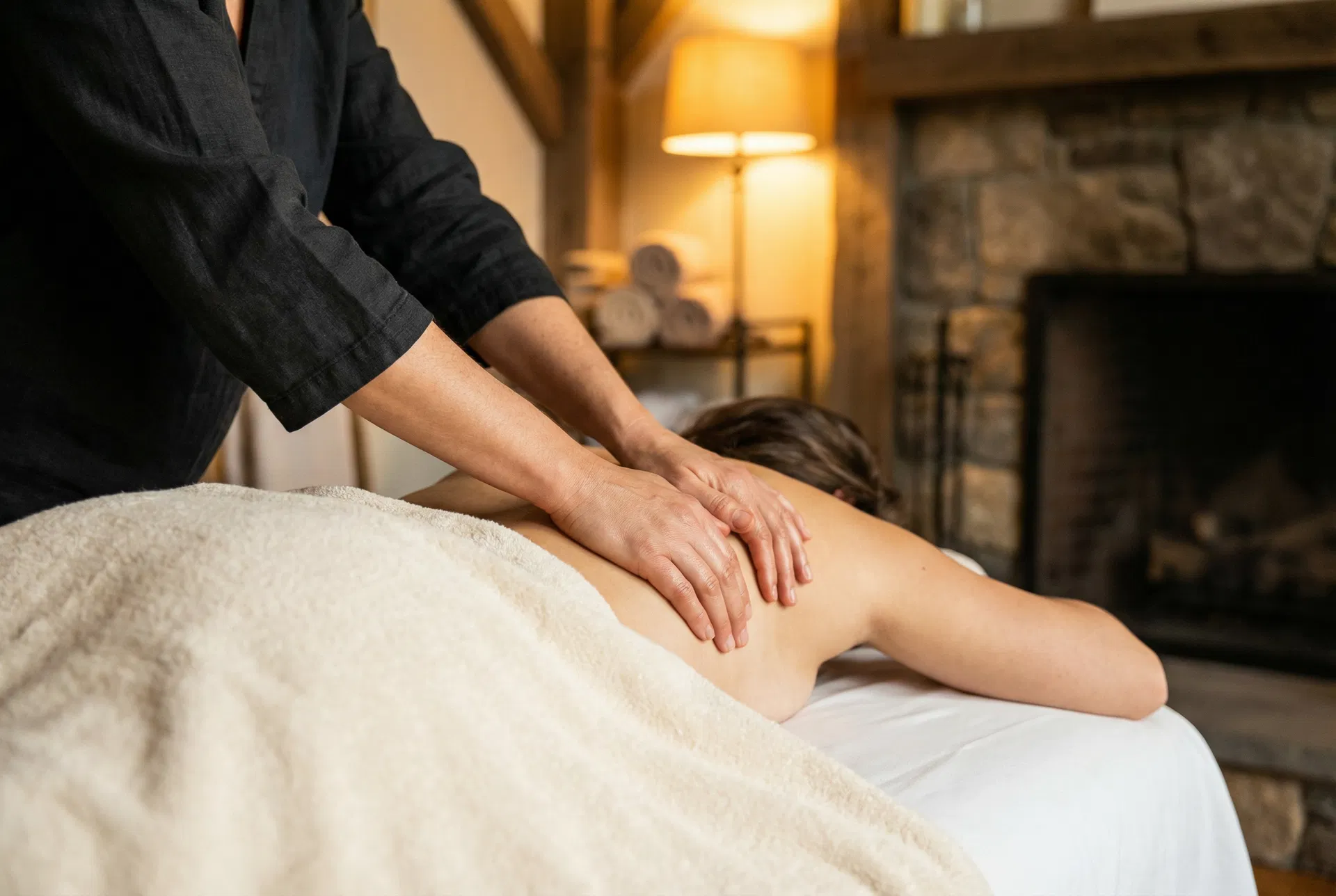
We've all seen them: the burnt-out executive, the overwhelmed single parent, the healthcare worker on their feet for 12 hours straight. Their shoulders are hunched, their eyes are tired, and their bodies scream for relief. Yet, when you suggest a massage, they often recoil, offering a litany of excuses. It's too expensive. No time. It's a luxury. This isn't just an observation; it's a systemic failure. The people who desperately need therapeutic touch to mitigate stress, pain, and burnout are consistently the last to prioritize it. And as an industry, we need to stop pretending this isn't a problem we've helped create.
The Stigma of Self-Care as 'Luxury'
For decades, massage therapy has been marketed, often inadvertently, as a pampering indulgence rather than a vital component of health and wellness. This narrative, while appealing to a certain demographic, has alienated the very individuals whose bodies and minds are under constant siege. When you're struggling to pay bills, manage a demanding job, or care for dependents, the idea of 'treating yourself' to a massage feels frivolous, even irresponsible. It's not seen as preventative medicine or essential maintenance, but as an optional, guilt-inducing splurge. This perception is deeply ingrained, making it incredibly difficult for those in genuine need to justify the expense or the time. They're not just saying no to a massage; they're saying no to what they perceive as an unaffordable luxury that doesn't fit their reality.
The Time-Poverty Trap
Beyond cost, the biggest barrier for many is time. Consider Sarah, a nurse practitioner working double shifts. She's constantly on her feet, lifting patients, and dealing with immense emotional strain. Her back aches, her neck is perpetually stiff, and she often falls asleep on the couch from exhaustion. When her colleague suggests a massage, Sarah sighs, "When would I even go? I barely have time to grocery shop, let alone drive to a spa, get undressed, have the massage, and drive back. That's three hours I don't have." This isn't an exaggeration; for many, especially those in demanding service industries or caregiving roles, every minute is accounted for. The logistics of scheduling, travel, and the session itself become an insurmountable hurdle, even if the physical need is screaming. We often forget that 'making time for yourself' is a privilege not everyone can afford, and for those who need it most, it feels like an impossible ask.
The Emotional & Physical Vulnerability
Let's get uncomfortable. For many, the idea of a massage can trigger feelings of vulnerability, anxiety, or even shame. When you're constantly in 'fight or flight' mode, letting your guard down, allowing someone to touch your body, can be terrifying. For those carrying chronic stress, past trauma, or body image issues, the thought of being touched by a stranger, even a professional, is deeply unsettling. They might fear judgment, or simply be unaccustomed to receiving non-sexual, therapeutic touch. This isn't something easily articulated, so it manifests as vague excuses or outright avoidance. As therapists and spa owners, we often overlook this profound emotional component, focusing solely on the physical benefits. We need to acknowledge that for some, booking a massage isn't just about pain relief; it's about confronting deep-seated discomforts that go far beyond muscle knots.
The 'I Don't Deserve It' Mentality
Perhaps the most insidious barrier is the pervasive belief that one doesn't 'deserve' self-care. This is particularly prevalent among caregivers, parents, and those in high-stress, low-reward jobs. They've been conditioned to prioritize everyone else's needs above their own. "My kids need new shoes more than I need a massage." "My team needs me to work late." "I'm not sick enough to warrant that kind of attention." This self-sacrificing mindset, while often noble in intent, leads to chronic neglect of personal well-being. The idea of investing in their own comfort or relief feels selfish, even when their bodies are screaming for attention. It's a deeply ingrained cultural narrative that we, as wellness professionals, must actively work to dismantle, by reframing self-care not as a luxury, but as a fundamental act of self-preservation and a prerequisite for caring for others effectively.
Key Takeaways
- Challenge the 'luxury' narrative: Position massage as essential health maintenance, not an indulgence.
- Address time constraints: Explore mobile or shorter, targeted services to fit busy schedules.
- Acknowledge emotional barriers: Train staff to recognize and address client anxieties around vulnerability.
- Promote 'deserving' self-care: Educate clients on the importance of personal well-being for overall effectiveness.
- Advocate for accessibility: Support initiatives that make therapeutic touch more affordable and available.
The truth is, the wellness industry, for all its good intentions, has often failed the very people who need us most. We've built an ecosystem that, while beautiful and restorative for some, is largely inaccessible, intimidating, or irrelevant to others. It's time to stop lamenting the 'lack of awareness' and start dismantling the systemic barriers and uncomfortable truths that prevent essential care from reaching those who are silently suffering. For spa owners and therapists leveraging platforms like Klinika, this means not just streamlining operations but fundamentally rethinking how we connect with, educate, and serve our communities. It's about meeting people where they are, understanding their struggles, and offering solutions that resonate with their reality, not just our idealized vision of wellness. Let's commit to making therapeutic touch a universal right, not a privileged luxury. To dive deeper into these conversations and explore more industry insights, keep following our blog. If you're a mobile spa business looking to empower your operations, get started with Klinika today.