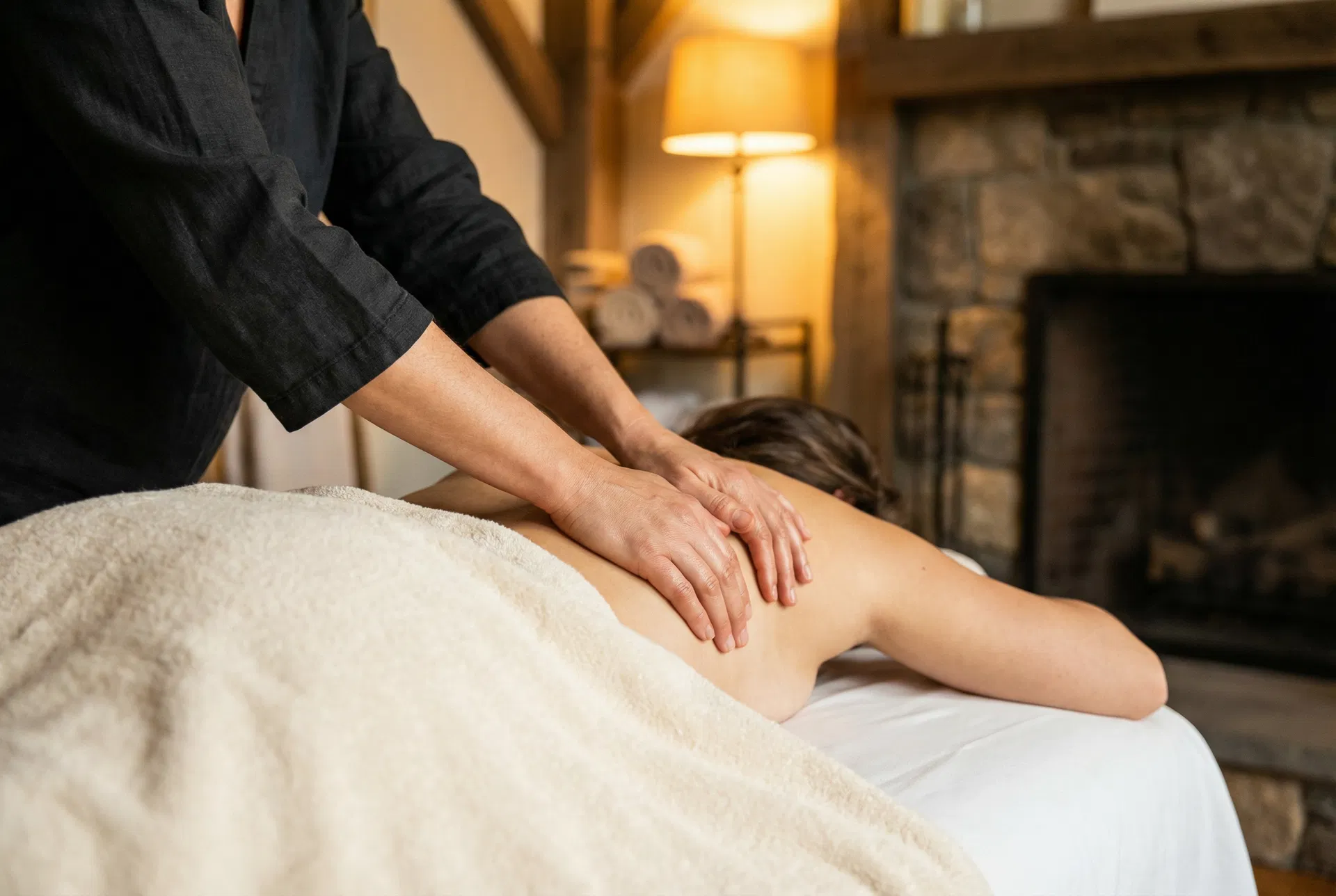
Let's be brutally honest: walk into almost any spa or wellness center in America, and you'll see a glaring gender imbalance. While women flock to massage tables for relief, relaxation, and self-care, men are conspicuously absent. We're talking about a demographic that, statistically, carries more physical tension from demanding jobs, experiences higher rates of stress-related illnesses, and often shies away from traditional mental health support. Yet, they remain largely untapped by an industry perfectly positioned to help. Why? Because we, as an industry, have often failed to understand, acknowledge, and address the unique barriers men face.
The Stigma of "Femininity" and "Self-Indulgence"
For generations, wellness practices like massage have been subtly, and sometimes overtly, branded as feminine. Think about the imagery: soft lighting, floral scents, delicate music – it's all designed to appeal to a certain aesthetic, one that many men are culturally conditioned to avoid. For a man to book a massage, he often feels like he's crossing into a territory deemed "not for him," or worse, "self-indulgent." This isn't just about marketing; it's about deep-seated societal norms. Men are taught to be strong, stoic, and to "power through" pain, not to seek out touch-based therapies for relaxation or emotional release. Admitting you need a massage can feel like admitting weakness in a world that demands unwavering resilience from men.
This perception is a massive hurdle. Many men genuinely believe massage is just a luxury, a pampering treat, rather than a legitimate health and wellness tool. They'll invest in gym memberships, sports equipment, or even expensive cars, but balk at the idea of spending money on something they perceive as frivolous or effeminate. Until we reframe massage as essential maintenance for the male body and mind, this perception will persist.
The "Happy Ending" Elephant in the Room
Here's where we get uncomfortable, but it's crucial. The unfortunate reality is that the massage industry, particularly in its less regulated corners, has been tainted by associations with illicit activities. This shadow casts a long, damaging pall over legitimate practitioners. Many men, and their partners, harbor anxieties about the professionalism and intent behind a massage appointment. Is it a legitimate therapeutic session, or is there an unspoken expectation of something more? This fear, whether conscious or subconscious, is a significant deterrent. It's a stain on our industry that we must actively work to remove, not ignore.
I remember a conversation with a male client, a burly construction worker, who finally booked a session after months of nagging from his wife for chronic back pain. He admitted, sheepishly, that he was incredibly nervous, not about the pain of the massage, but about what might happen, or what he might be perceived as seeking. He even brought his wife to the waiting room. This isn't an isolated incident; it's a quiet, pervasive concern that prevents countless men from ever stepping through the door. For spa owners and therapists, acknowledging this unspoken fear and actively demonstrating professionalism and clear boundaries is paramount.
Lack of Targeted Marketing and Education
Look at your marketing materials. Are they speaking to men? Often, the answer is no. The imagery, language, and services highlighted are typically geared towards women. We talk about "relaxation," "rejuvenation," and "pampering" – words that often don't resonate with men seeking relief from specific physical ailments or stress. Men are often more results-oriented. They want to know how massage will fix their stiff neck, alleviate their sciatica, or improve their athletic performance. They want to understand the physiological benefits, as NCCIH notes, not just the feeling of being pampered.
We also don't educate them enough. Many men simply don't understand what massage therapy entails or its wide-ranging benefits, from reducing muscle soreness and improving flexibility to decreasing anxiety and improving sleep quality. They might associate it only with deep tissue work, not realizing the breadth of modalities available. This lack of understanding, coupled with a perceived lack of privacy or discomfort with vulnerability, keeps them away. It's not enough to just offer services; we must actively educate and dismantle misconceptions.
Creating a More Inclusive Environment
So, how do we change this narrative? It starts with intentionality. Spa owners need to critically evaluate their entire client journey, from online presence to in-spa experience. Consider offering specialized "men's wellness" packages that focus on sports recovery, stress relief, or chronic pain management, using language and imagery that speaks directly to male concerns. Think about the decor – can it be less overtly feminine without losing its calming essence? Can you feature male therapists and clients in your marketing?
Therapists have a vital role too. Engage male clients with clear, professional communication. Explain the therapeutic benefits, set clear expectations, and ensure a comfortable, respectful environment. For businesses looking to optimize their operations and better cater to diverse client needs, platforms like Klinika can provide the tools to streamline service offerings and marketing efforts, allowing you to focus on client experience. It's about creating a space where men feel not just welcome, but understood and respected.
Key Takeaways
- Reframe Massage: Position massage as a vital health and performance tool, not just a luxury.
- Targeted Marketing: Use male-centric language and imagery focusing on benefits like pain relief, stress reduction, and athletic recovery.
- Educate & Inform: Provide clear information on massage benefits and modalities to demystify the experience.
- Professionalism First: Actively combat negative stereotypes by emphasizing clear boundaries and ethical practice.
- Inclusive Environment: Evaluate your spa's ambiance and service offerings to ensure they appeal to a broader male audience.
The wellness industry has an incredible opportunity to serve a demographic that is often underserved and overlooked. By confronting uncomfortable truths, adapting our approach, and genuinely listening to the needs of men, we can not only expand our client base but also contribute to a more holistic and equitable vision of health for everyone. The path to wellness should be open to all, and it's up to us to ensure that men feel empowered, not embarrassed, to walk it. To explore more insights and strategies for your wellness business, get started with Klinika today.