Ever felt the sting of salon commission cuts or the crushing weight of commercial rent? You're not alone. The industry often pushes a narrative that professional success hinges on a lavish, high-rent commercial space, or that working for someone else is the only 'safe' path. But what if I told you that for many therapists, the most financially sound and personally fulfilling path lies right under their own roof? We’re not talking about a makeshift corner with a sheet for privacy; we’re talking about building a legitimate, professional, and profitable home-based practice that stands up to any high-street spa, often for a fraction of the cost. This isn't just about saving money; it's about reclaiming your autonomy, setting your own terms, and building a business that truly serves you and your clients.
The Unspoken Truth: Why Home-Based Works
Let's be frank: the traditional spa model, while offering convenience, often leaves therapists feeling like cogs in a machine, with meager commission splits and little control over their schedule or client experience. For mobile therapists, the constant travel can be draining, and for those renting rooms, the overhead can eat into profits faster than a hot stone melts ice. The home-based setup, when done right, offers an escape from this cycle. It's not about being 'less than'; it's about being smart. You eliminate commercial rent, reduce commuting time, and gain unparalleled flexibility. This allows you to invest more in your skills, your equipment, and most importantly, your own well-being. It's a direct challenge to the industry's often exploitative models, proving that you can offer premium services without the premium price tag for your business.
Beyond the Spare Room: Crafting a Professional Oasis
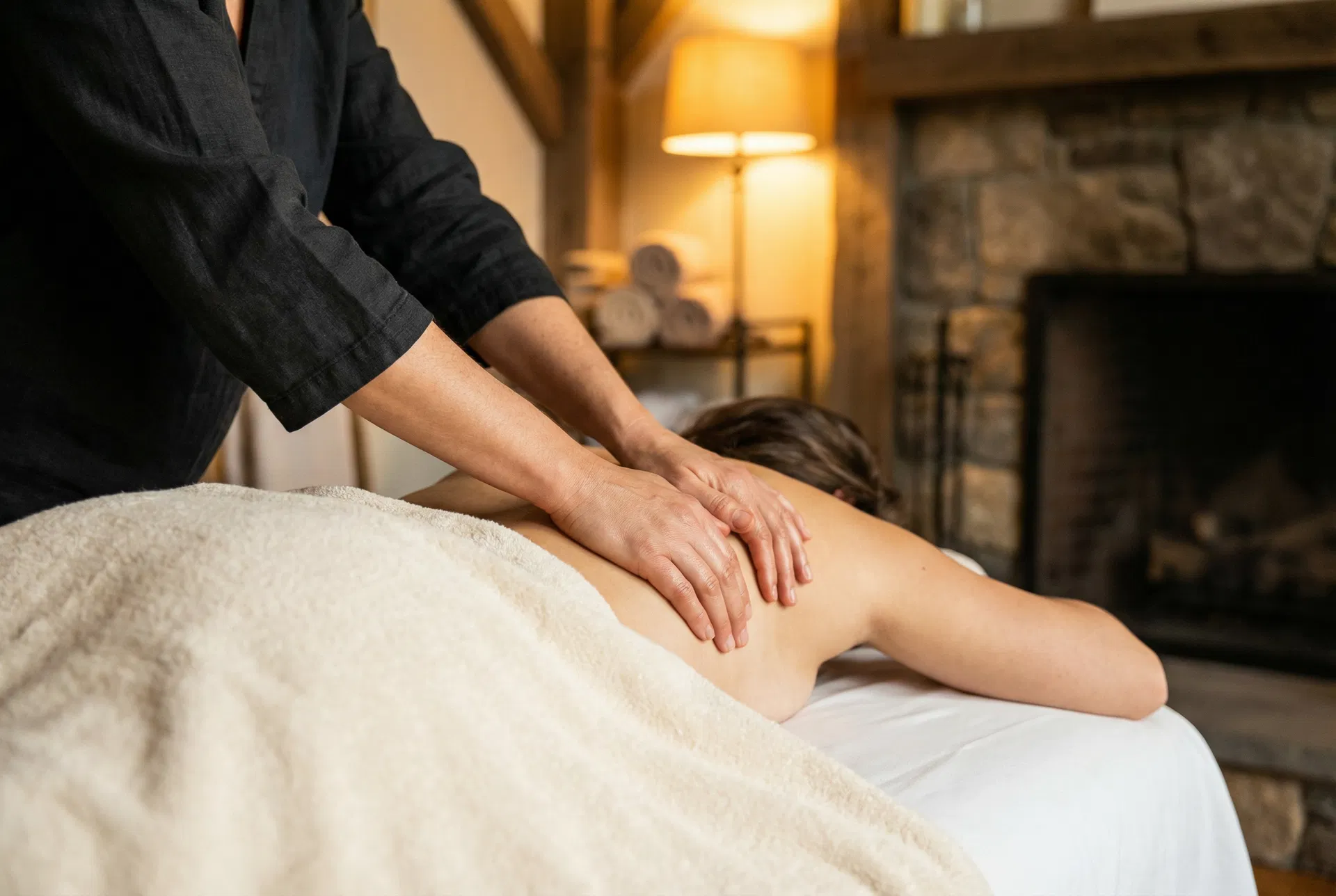
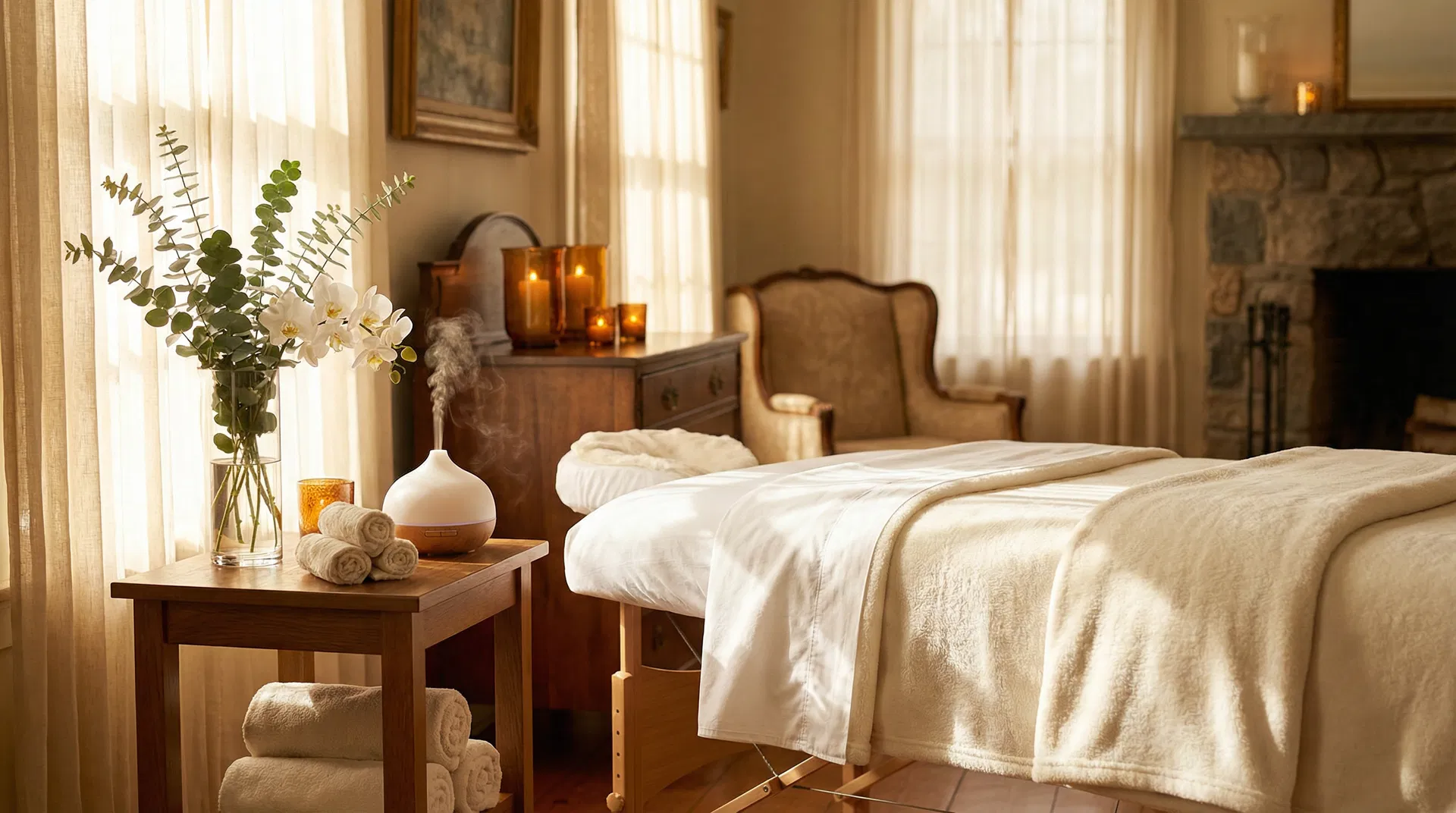
The biggest hurdle for many considering a home setup is the perception of professionalism. Clients expect a sanctuary, not a cluttered guest room. This is where strategic planning and a keen eye for detail come in. Your space needs a dedicated entrance (if possible), impeccable cleanliness, and an atmosphere that immediately transports clients away from the domestic setting. Think about soundproofing – even a simple draft stopper and white noise machine can make a huge difference. Lighting is crucial; avoid harsh fluorescents. Invest in quality linens, a comfortable table, and professional-grade products. This isn't just about aesthetics; it's about creating an experience. One therapist I know, let's call her Sarah, transformed her rarely-used sunroom into a bright, airy treatment space. She added blackout blinds for privacy, a small water feature for ambient sound, and a separate entrance through her garden. Her clients consistently rave about the tranquil, private feel, often preferring it to larger, busier spas. It’s about intention, not square footage.
Navigating the Red Tape: Licensing, Insurance, and Local Laws
This is where many therapists get tripped up, and it's also where the industry often fails to provide clear guidance. Operating a home-based business isn't a free-for-all; it requires due diligence. You must investigate your local zoning laws and obtain any necessary home occupation permits. These vary wildly by city and state, so don't assume. Professional liability insurance is non-negotiable – and ensure it covers home-based operations. Health and safety regulations, while often less stringent than for commercial spaces, still apply. Think about proper ventilation, waste disposal, and maintaining a hygienic environment. This isn't a suggestion; it's a legal and ethical imperative. Neglecting these steps can lead to hefty fines, business closure, and a damaged reputation. Don't cut corners here; your livelihood depends on it. A quick call to your city's planning department and your insurance provider can save you a world of headaches down the line.
Marketing Your Sanctuary: Attracting and Retaining Clients
With no storefront, your marketing strategy needs to be sharp. Word-of-mouth is powerful, but you need to seed it. Professional online presence is paramount. High-quality photos of your dedicated space are a must. Emphasize the unique benefits of a home-based practice: privacy, personalized attention, and a serene environment free from the hustle and bustle of a commercial spa. Leverage platforms like Google My Business, local directories, and social media. Consider offering an introductory special to new clients. Crucially, your booking and client management system needs to be seamless. This is where a platform like Klinika becomes indispensable, allowing you to manage appointments, client records, and payments professionally, even from your living room. Remember, clients are looking for quality and an experience; your home address is merely the location where that experience takes place.
Key Takeaways
- Dedicated Space: Create a clear, professional boundary between your home and your business.
- Legal Compliance: Research local zoning, licensing, and insurance requirements thoroughly.
- Client Experience: Focus on sensory details – sound, scent, lighting – to create a tranquil oasis.
- Professional Tools: Utilize business management software like Klinika for seamless operations.
- Strategic Marketing: Highlight the unique benefits of your private, personalized service.
The journey to building a successful home-based practice is not without its challenges, but the rewards – financial independence, creative control, and a deeper connection with your clients – are immense. It's about demonstrating that professionalism isn't defined by a postcode or a corporate logo, but by the quality of your service, the integrity of your practice, and the care you put into every client interaction. As the wellness industry continues to evolve, the independent, home-based therapist is not just surviving; they are thriving, proving that a lean, focused approach can often outperform the traditional giants. Ready to take control of your career? Get started building your dream practice today, and explore more insights on our blog.