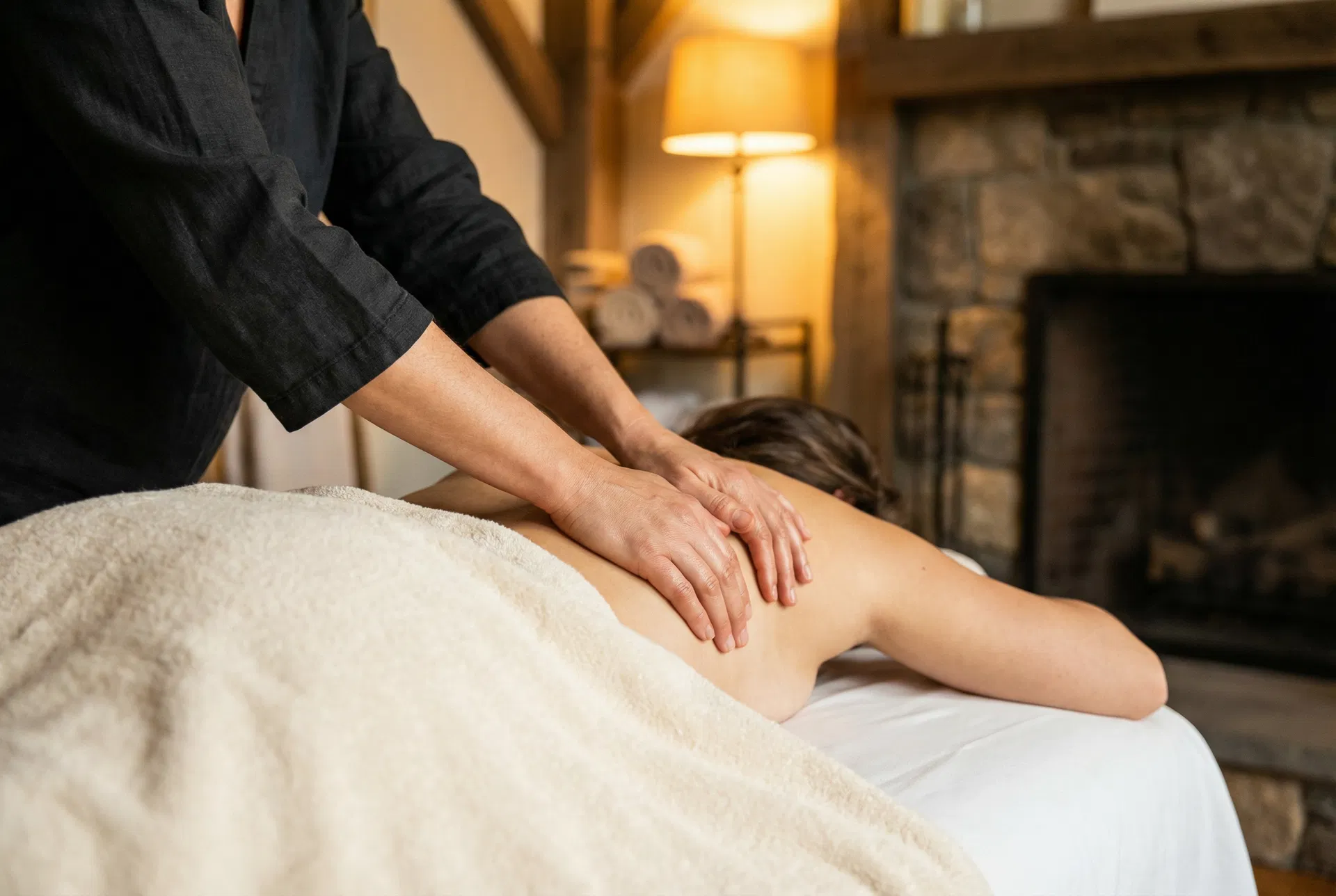
Let's be brutally honest: for years, the wellness industry has been a wild west of unverified claims and snake oil, often preying on vulnerability. Yet, amidst the noise, one service has quietly, then explosively, risen to prominence, backed by a growing body of scientific inquiry and undeniable client demand: Lymphatic Drainage Massage (LDM). It’s not just a fad; it's become the undisputed heavyweight champion of client requests, leaving many spa owners scrambling to meet the demand and therapists struggling to keep up. But how much of this is celebrity-fueled hype, and how much is legitimate, demonstrable science?
The Unseen River: How Your Lymphatic System Actually Works
Before we talk about massage, let’s talk about your lymphatic system – the unsung hero of your body’s internal plumbing. Unlike your circulatory system, which has a powerful pump (your heart), the lymphatic system relies on muscle contractions, breathing, and external manipulation to move its fluid. This fluid, lymph, is a clear, protein-rich substance that collects waste products, toxins, and excess fluid from your tissues. It’s essentially your body’s internal garbage disposal and recycling plant, playing a critical role in immune function, fluid balance, and detoxification. When this system stagnates, you feel sluggish, bloated, and your immune response can suffer. Think of it as a slow-moving river that, when properly flowing, keeps the entire ecosystem healthy. When it’s blocked, everything downstream suffers.
Manual Lymphatic Drainage: More Than Just a Gentle Touch
Manual Lymphatic Drainage (MLD) is a specialized technique developed in the 1930s by Dr. Emil Vodder. It’s not your typical deep tissue massage. Instead, it involves gentle, rhythmic strokes and stretches that follow the direction of lymphatic flow, encouraging the lymph to move towards lymph nodes where waste can be filtered out. The pressure is light, often described as feather-light, because the lymphatic vessels are superficial, just beneath the skin. Applying too much pressure can actually collapse these delicate vessels, hindering rather than helping the flow. This precision and understanding of anatomy are why proper training is paramount for therapists. It's a dance between science and touch, requiring a deep understanding of physiology to be truly effective.
What the Research Says: Beyond Anecdotes
While celebrity endorsements often bring LDM into the spotlight, the scientific community has been quietly building a case for its efficacy for decades. Research supports LDM's role in reducing swelling (edema), particularly lymphedema post-cancer treatment, as reported by Mayo Clinic, improving wound healing, and even mitigating symptoms of chronic inflammatory conditions. Studies have shown its positive impact on post-surgical recovery, reducing bruising and swelling, and accelerating tissue regeneration. For instance, the Arthritis Foundation acknowledges massage, including LDM, as beneficial for managing arthritis symptoms. Furthermore, its calming effect on the nervous system can improve sleep quality, a benefit highlighted by the Sleep Foundation. The American Massage Therapy Association (AMTA) also recognizes the therapeutic value of MLD, particularly for its physiological benefits.
The Uncomfortable Truth: The Rise of Untrained Practitioners
Here’s where we get real. The explosion in LDM's popularity has unfortunately led to a concerning proliferation of untrained or inadequately trained practitioners. As Medical News Today explains, lymphatic drainage massage can be ineffective or even harmful if not performed correctly. We’ve seen instances where individuals, lured by quick certification courses, are performing LDM with little to no understanding of lymphatic anatomy or proper techniques. This isn't just ineffective; it can be harmful, especially for clients with underlying medical conditions or post-surgical needs. I once spoke with a client, let's call her Sarah, who had undergone extensive abdominal surgery. She sought LDM for post-op swelling and went to a practitioner who, unbeknownst to Sarah, had only taken a weekend course. Sarah experienced increased pain and bruising, and her swelling worsened. It wasn't until she found a certified MLD therapist that she realized the difference – the gentle, precise movements of a properly trained professional versus the rough, incorrect pressure she had initially endured. This highlights a critical responsibility for spa owners and therapists: vetting credentials and investing in legitimate, comprehensive training. The industry's integrity, and client safety, depend on it.
Why LDM is Now a Non-Negotiable for Modern Wellness Businesses
For spa owners and mobile therapists leveraging platforms like Klinika, understanding and offering legitimate LDM isn't just a trend; it's a strategic imperative. Clients are more educated and discerning than ever before. They seek results, not just relaxation. Offering expertly delivered LDM positions your business at the forefront of evidence-based wellness. It attracts a clientele willing to invest in their health and recovery, often leading to higher average service values and repeat bookings. It’s also a service that truly differentiates you in a crowded market. If you're not offering it, or if your team isn't expertly trained, you're leaving significant revenue and client loyalty on the table. It's time to elevate your service menu and ensure your practitioners are equipped with the highest standard of training.
Key Takeaways
- Invest in comprehensive, accredited MLD training for your therapists, not just weekend certifications.
- Educate your clients on the science-backed benefits of LDM, distinguishing it from general massage.
- Position LDM as a premium, results-driven service for post-op recovery, detoxification, and overall wellness.
- Highlight the importance of proper technique and therapist expertise in your marketing.
- Consider how a robust service like LDM can enhance your business's reputation and client retention.
The science of lymphatic drainage massage is clear: it’s a powerful, therapeutic modality when performed correctly. As the wellness landscape continues to evolve, the demand for truly effective, evidence-based treatments will only grow. For those in the industry, embracing and mastering LDM isn't just about meeting client demand; it's about upholding the integrity of wellness, delivering tangible results, and securing your business's future in a market that increasingly values substance over fleeting trends. To learn more about optimizing your spa business and exploring more industry insights, explore more on our blog, or get started with Klinika today.