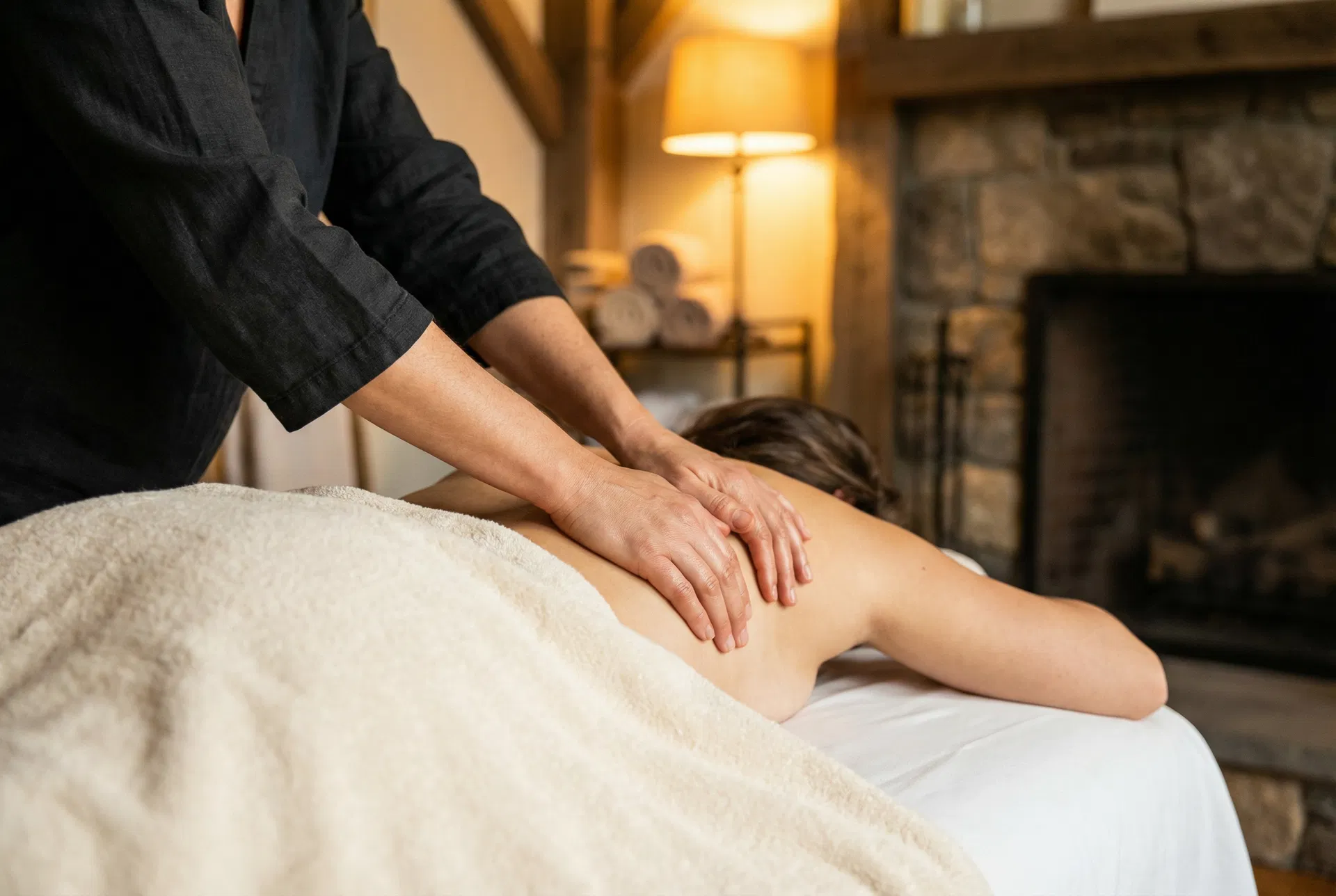
Here's an uncomfortable truth: a significant portion of the massage industry, from high-end spas to independent practitioners, often mislabels or misrepresents the true nature of their services. Clients walk in seeking genuine relief for chronic pain, only to receive a glorified rub-down. Therapists, often pressured by sales targets or lack of proper training, might offer 'deep tissue' that's merely painful, not effective. This isn't just a marketing problem; it's an ethical one that leaves clients frustrated, therapists burnt out, and the profession's credibility on the line.
The Illusion of 'Relaxation'
Let's be blunt: almost any massage can be relaxing. The dim lights, the soothing music, the warm oil – these are environmental cues designed to induce a state of calm. A relaxation massage, often called Swedish massage, primarily focuses on superficial strokes, kneading, and rhythmic movements. Its goal is to reduce stress, improve circulation, and promote a general sense of well-being. And there's absolutely nothing wrong with that! It's vital for mental health, stress reduction, and can be a powerful tool for self-care. The problem arises when a client presents with, say, persistent lower back pain from a desk job, and a relaxation massage is offered as the solution. It might feel good in the moment, but it's not addressing the root cause. It's like putting a band-aid on a broken bone – pleasant, but ultimately ineffective for the underlying issue.
Therapeutic Massage: Beyond the Feel-Good Factor
Now, let's talk therapeutic. This isn't just about feeling good; it's about making a measurable, lasting change in the body. A therapeutic massage is goal-oriented. It targets specific musculoskeletal issues, chronic pain, injuries, postural imbalances, and restrictions in movement. This requires a therapist with advanced training in anatomy, physiology, pathology, and a range of specialized techniques like myofascial release, trigger point therapy, neuromuscular therapy, or even orthopedic massage. They're not just moving their hands; they're assessing, palpating, and applying precise pressure and techniques to release adhesions, lengthen shortened muscles, improve joint mobility, and reduce nerve impingement. This isn't always a 'relaxing' experience in the traditional sense; it can involve discomfort, deep pressure, and active client participation, but the outcome is functional improvement, not just fleeting comfort.