Let's be brutally honest: the wellness industry loves its niche marketing. We've all seen it – the glossy ads featuring chiseled athletes, sweat glistening, implying that 'sports massage' is a luxury reserved for those pushing their bodies to extreme limits. This narrative, while effective for a segment, has done a disservice to the vast majority of people who desperately need its benefits but feel excluded. The truth, as any seasoned therapist will tell you, is far more democratic: if you have a body, and you use it – whether to run a marathon or just to survive another Monday at a desk – you are, in essence, an athlete of your own life. And your body deserves the same strategic care.
The Silent Epidemic of Everyday Strain
Forget the track and field; let's talk about the office chair, the commute, the endless scrolling on a smartphone. These are the modern arenas where most of us experience chronic, low-grade trauma to our musculoskeletal system. We sit for hours, hunch over keyboards, crane our necks at screens, and carry stress like a weighted vest. This isn't just discomfort; it's a slow, insidious breakdown of posture, mobility, and tissue health. Muscles shorten, fascia stiffens, and compensatory patterns emerge, leading to headaches, back pain, shoulder impingement, and that persistent, dull ache you've learned to live with. This isn't 'normal aging'; it's often the cumulative effect of unaddressed daily strain. Sports massage, with its focus on deep tissue manipulation, stretching, and targeted release, is designed precisely to counteract these forces, regardless of whether your 'sport' is lifting weights or lifting toddlers.
Beyond Relaxation: The Uncomfortable Truth About Tissue Health
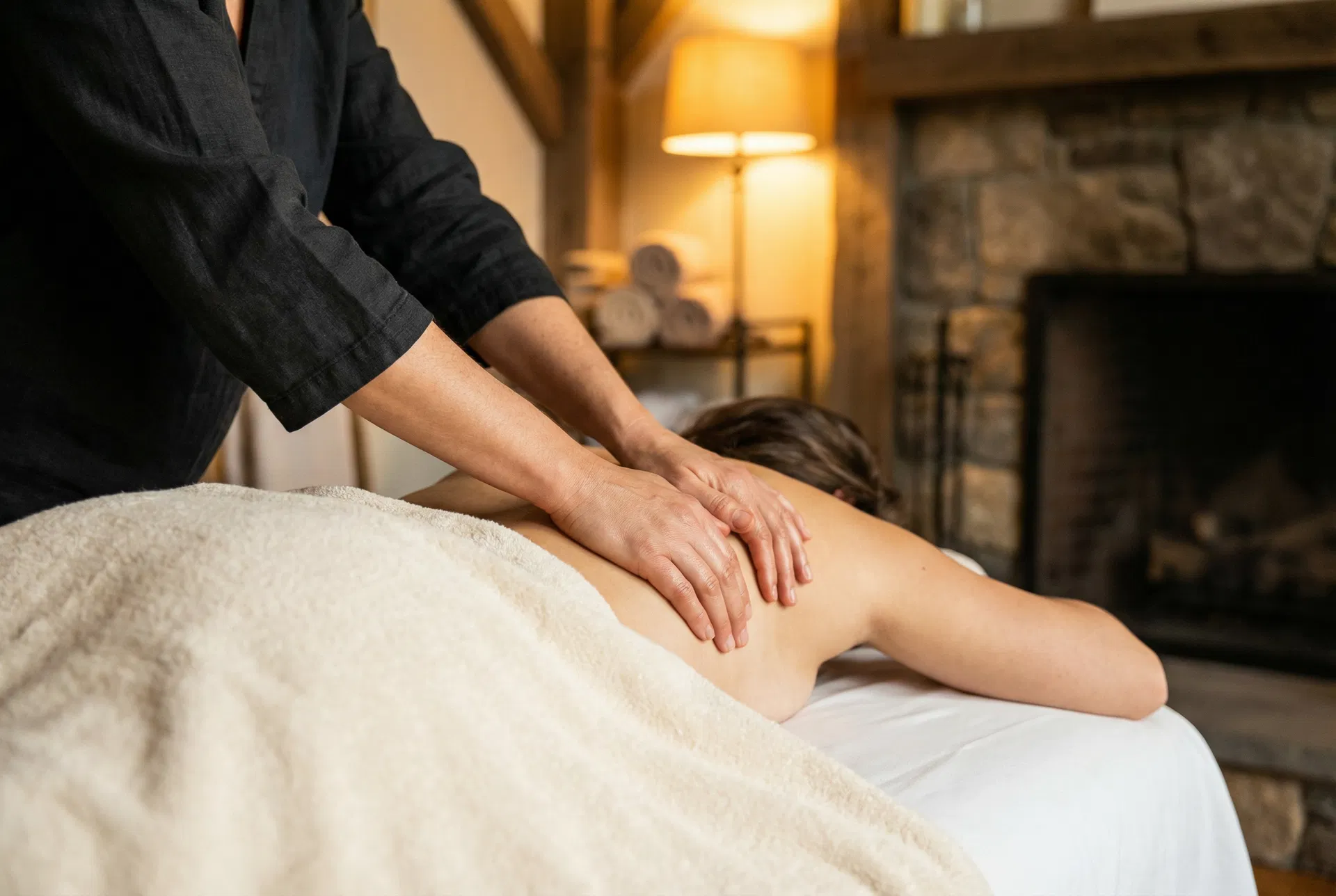
Many clients walk into a spa expecting a fluffy, feel-good experience. And while relaxation is a wonderful byproduct of any massage, sports massage has a more pragmatic, sometimes uncomfortable, agenda: to restore optimal tissue function. This isn't about gentle strokes; it's about identifying adhesions, trigger points, and areas of chronic tension that are actively impeding your movement and causing pain. It’s about working deeply into muscles and connective tissues to increase blood flow, break down scar tissue, and improve flexibility and range of motion. As NCCIH notes, massage therapy can be effective for a variety of pain conditions. For the non-athlete, this means being able to turn your head without a crick, reach for something on a high shelf without a twinge, or simply stand taller and feel less constricted. It's about reclaiming functional movement that daily life slowly erodes.
The Real-World Impact: Sarah's Story
I remember Sarah, a graphic designer in her late 30s. She wasn't training for a marathon; her biggest physical challenge was meeting tight deadlines while hunched over a Wacom tablet. She came in complaining of persistent numbness in her fingers and a constant knot in her upper back that no amount of stretching or regular 'relaxation' massage seemed to touch. She felt guilty even asking for a 'sports massage,' thinking it wasn't for her. After a thorough assessment, it was clear her pectorals were severely shortened, her rhomboids were overstretched and weak, and her scalenes were tight as piano wire – classic 'tech neck' and 'mouse arm' syndrome. We focused on deep tissue release in her chest and neck, combined with targeted stretching and postural advice. Within a few sessions, the numbness subsided, and her chronic back pain significantly reduced. She wasn't an athlete, but her body was under constant, repetitive strain, and it responded exactly as an athlete's would to targeted therapeutic work. Her 'sport' was her livelihood, and sports massage gave her back the ability to perform it pain-free.
The Proactive Playbook: Why Wait for Injury?
The prevailing mindset often dictates that we seek therapeutic intervention only when something is acutely wrong. We wait for the injury, the debilitating pain, the moment our bodies scream for attention. This reactive approach is inefficient, costly, and often leaves us playing catch-up. Sports massage, when applied to the non-athlete, shifts this paradigm to a proactive one. It's about maintenance, prevention, and optimizing your body's resilience against the daily onslaught of modern life. Think of it as preventative medicine for your musculoskeletal system. Regular sessions can catch minor imbalances before they become major problems, improve circulation to tired tissues, and keep your body supple and mobile. It’s an investment in your long-term physical health, allowing you to engage with life more fully, whether that means chasing your kids, enjoying a hike, or simply feeling more comfortable in your own skin.
Key Takeaways
- Redefine 'Athlete': If your body endures daily stress or repetitive movements, you can benefit from sports massage.
- Focus on Function: This therapy aims to restore optimal movement and alleviate pain, not just provide relaxation.
- Don't Wait for Injury: Use sports massage proactively for maintenance and prevention of chronic issues.
- Communicate Your Needs: Be clear with your therapist about your daily activities and pain points, even if they don't involve traditional sports.
- Seek Knowledgeable Professionals: Ensure your therapist has specific training and experience in sports massage techniques.
The industry has a responsibility to demystify these powerful modalities and make them accessible to everyone who can benefit. For spa owners and therapists, this means educating clients and breaking down the artificial barriers created by marketing. For individuals, it means understanding that your body, regardless of your activity level, deserves intelligent, targeted care. Don't let the 'sports' label deter you. Embrace the understanding that your daily life is a demanding endeavor, and your body is your most vital equipment. It's time to invest in its performance and longevity. To learn more about optimizing your practice and connecting with clients who need these services, get started with Klinika or explore more insightful articles on our blog.