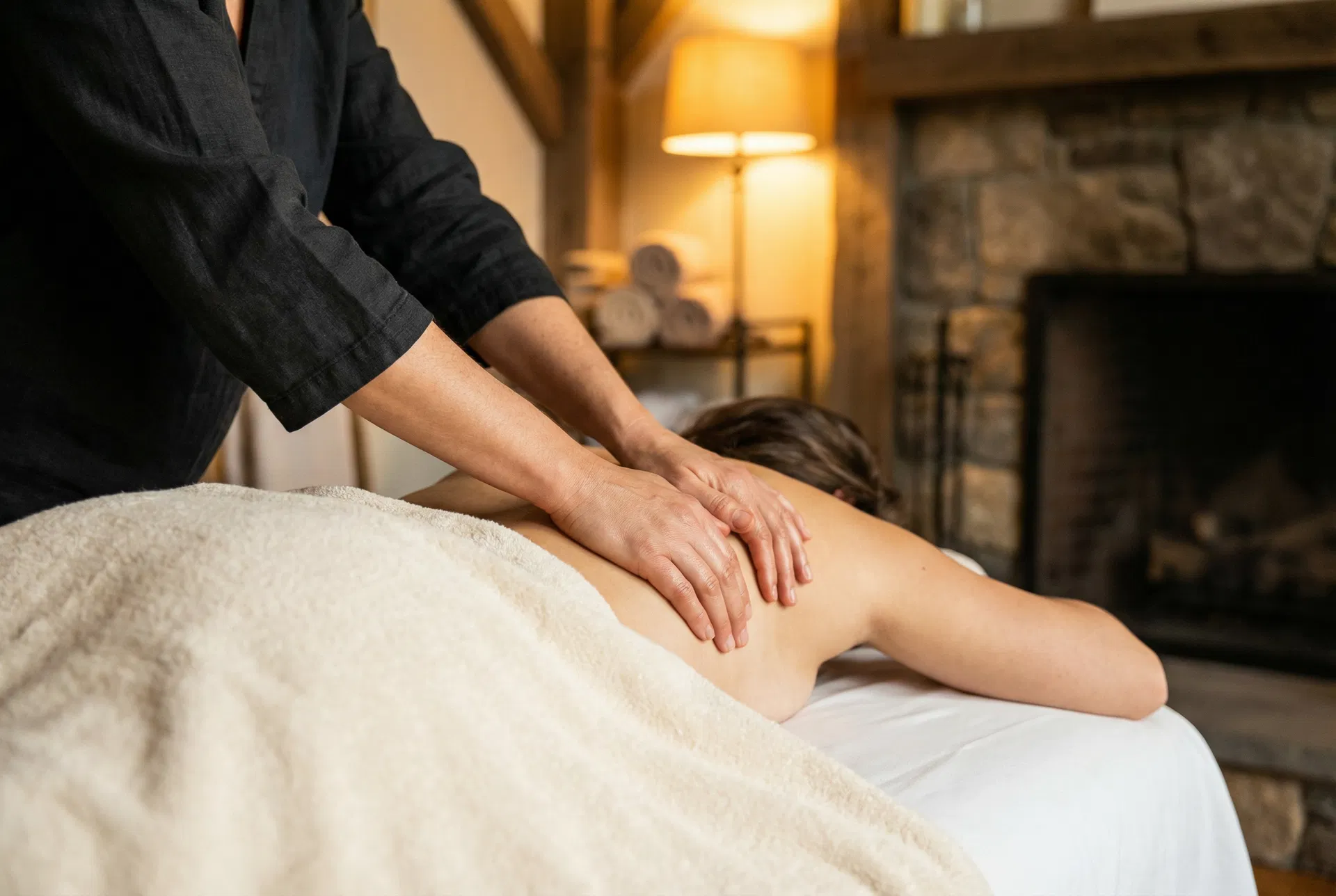
Consider this stark reality: a significant percentage of pregnant individuals experience debilitating musculoskeletal pain, anxiety, and sleep disturbances, yet fewer than 15% actively seek out specialized prenatal massage. Why the disconnect? Part of it is the pervasive myth that prenatal massage is merely a pampering indulgence. The other, more uncomfortable truth, is an industry often ill-equipped or unwilling to properly educate both clients and practitioners on its profound therapeutic value and the critical need for specialized training.
The Unspoken Realities of Pregnancy & Pain
Pregnancy is a miracle, yes, but it's also a physiological marathon that can wreak havoc on a woman's body. We're talking about shifting centers of gravity, hormonal surges loosening ligaments, increased blood volume, and the sheer physical strain of carrying a growing human. Lower back pain, sciatica, hip discomfort, swollen ankles, and persistent headaches aren't just 'part of the experience' – they're legitimate medical concerns that can severely impact quality of life. Yet, many healthcare providers, through no fault of their own, often offer limited non-pharmacological pain relief options. This leaves a massive gap, a void that expertly delivered prenatal massage is uniquely positioned to fill.
It's not about a gentle rub; it's about targeted, informed therapeutic work that understands the biomechanics of a pregnant body. It's about alleviating nerve compression, reducing edema, improving circulation, and calming a nervous system often on high alert. The stakes are higher, and so should be the standard of care. This isn't just about comfort; it's about supporting a healthy pregnancy and preparing the body for the immense physical demands of childbirth and postpartum recovery.
Beyond the Belly Pillow: The Art of Specialized Training
Here’s where we get into the uncomfortable truth: not all massage therapists are qualified to perform prenatal massage, despite what some may claim. The industry, in its rush to monetize, sometimes glosses over the critical need for advanced, specialized training. It's not just about having a 'belly pillow' or knowing to avoid the abdomen. It involves a deep understanding of contraindications, positional modifications, circulatory changes, hormonal influences, and the emotional landscape of pregnancy.
I recall a scenario from early in my career: a client, eight months pregnant, came in after a session at another spa. She was visibly distressed, reporting that the therapist had insisted she lie flat on her back for an extended period, despite her discomfort and lightheadedness. This is a classic example of inadequate training leading to potentially harmful practice. Supine hypotensive syndrome is a real risk, and a properly trained therapist would know to avoid prolonged supine positioning, especially in the later trimesters. This isn't just about comfort; it's about patient safety. For spa owners, investing in comprehensive prenatal massage certification for your team isn't optional; it's an ethical imperative and a differentiator that builds trust and loyalty.