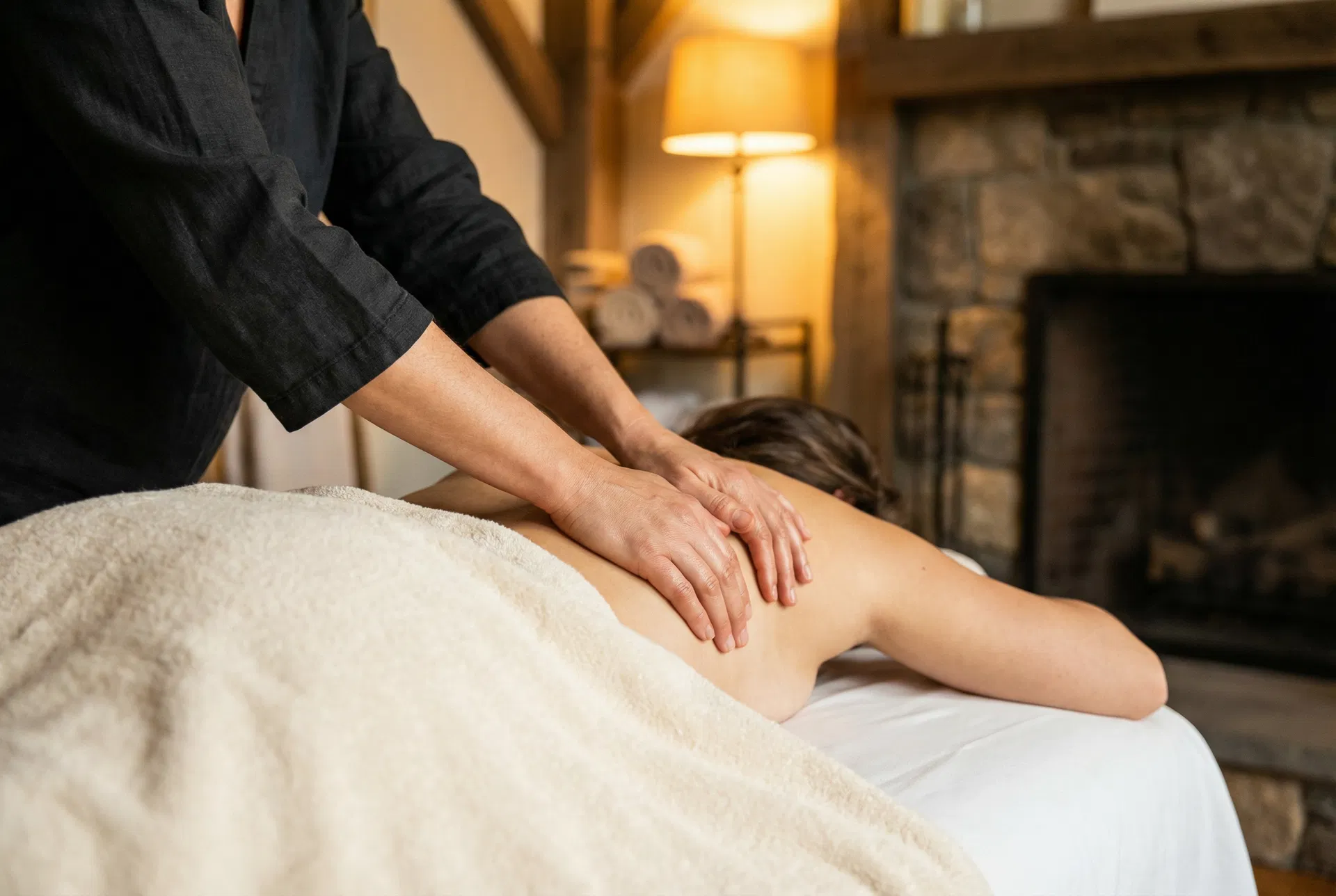
You just had an incredible massage, feeling lighter, looser, and utterly relaxed. Your muscles hum, your mind is clear, and the world feels a little softer. Then, as you float out of the treatment room, your therapist issues the ubiquitous advice: "Remember to drink plenty of water!" For many, it's a pleasant, if slightly vague, suggestion. For us, the seasoned pros who've seen countless bodies and heard even more stories, it's a non-negotiable directive. But why? Is it just a wellness cliché, or is there a genuine, science-backed reason why hydration is not just recommended, but absolutely critical after bodywork? Prepare for some uncomfortable truths about what's really happening inside your clients' bodies.
The Cellular Detox Myth & The Real Story
Let's get one thing straight: the idea that massage "releases toxins" into your bloodstream that need to be flushed out with water is largely a myth. Your liver and kidneys are the real detox powerhouses, working tirelessly whether you've had a massage or not. However, that doesn't mean hydration isn't vital. Intense bodywork, especially deep tissue or therapeutic massage, can cause micro-trauma to muscle fibers. This isn't necessarily a bad thing; it's often part of the healing and rebuilding process. When this occurs, metabolic byproducts, inflammatory mediators, and cellular debris are produced. While not "toxins" in the sensationalized sense, these compounds do need to be efficiently transported out of the muscle tissue and processed by the body. Adequate hydration ensures optimal blood flow and lymphatic function, which are the body's natural waste disposal systems. Without enough water, these systems become sluggish, potentially prolonging muscle soreness and recovery time. It's less about flushing out poisons and more about optimizing the body's natural repair mechanisms.
The Unseen Impact: Fascia, Fluid, and Function
Consider the fascia, that intricate web of connective tissue that encases every muscle, organ, and bone in your body. Healthy fascia is supple, glides smoothly, and is well-hydrated. When we perform massage, especially techniques like myofascial release, we're working to free up adhesions and restrictions within this tissue. Imagine trying to untangle a dry, brittle sponge versus a wet, pliable one. The latter is far more responsive. Dehydration makes fascia stiff and less elastic, increasing friction and making it harder for muscles to move freely. Post-massage, your tissues are more receptive to change. Providing them with ample water helps them maintain that newfound pliability, allowing the benefits of the session to integrate more deeply and last longer. It's about feeding the tissues the very element they need to maintain their structural integrity and functional fluidity. This is where the real magic, or rather, the real science, of post-massage hydration lies.
The Dehydrated Client: A Therapist's Nightmare
We've all seen them: the clients who come in looking a little drawn, perhaps complaining of a persistent, dull ache that no amount of stretching seems to fix. Often, the root cause is chronic, low-grade dehydration. Working on dehydrated tissue is like trying to knead stiff, cold dough – it's resistant, less responsive, and can even be more painful for the client. After a session, if a client doesn't rehydrate, they might experience increased post-massage soreness, headaches, or even lightheadedness. I recall a specific instance: a regular client, a busy executive, always rushed. One day, after a particularly intense deep tissue session, she called later that evening with a pounding headache and muscle cramps. Upon questioning, she admitted she'd had only a single cup of coffee all day, and then forgot to drink water after her massage. It was a stark reminder that while we can do incredible work on the table, the client's self-care habits profoundly impact the outcome. We can't hydrate them, but we can educate them. This isn't just about comfort; it's about the efficacy and safety of our work.
Educating for Empowerment: Beyond the Glass of Water
The conversation about hydration shouldn't end with a generic instruction to "drink water." As wellness professionals, we have a responsibility to educate our clients on why it matters. Explain the role of water in maintaining tissue elasticity, aiding nutrient transport, and supporting lymphatic flow. Encourage them to see water not just as a thirst quencher, but as an active participant in their recovery and overall well-being. This empowers them to take ownership of their health journey, extending the benefits of their session far beyond the treatment room. For spa owners and therapists utilizing Klinika, this client education can be integrated into post-session follow-ups, automated emails, or even digital handouts. It transforms a simple recommendation into a valuable piece of health literacy. By providing this deeper understanding, we elevate the client experience and reinforce our role as trusted wellness partners. To get started with tools that help you empower your clients, explore our platform.
Key Takeaways
- Prioritize Pre-Hydration: Encourage clients to be well-hydrated before their session for optimal tissue response.
- Explain the "Why": Move beyond generic advice; educate clients on water's role in tissue elasticity, lymphatic flow, and recovery.
- Suggest Electrolytes (Wisely): For intense sessions or very active clients, a natural electrolyte-rich drink (like coconut water or a pinch of sea salt in water) can be beneficial, but avoid sugary sports drinks.
- Make it Accessible: Offer water immediately post-session. Some businesses even provide small, branded water bottles.
- Integrate Education: Use your booking and follow-up systems to reinforce hydration messages.
Ultimately, the seemingly simple act of drinking water after a massage is far from trivial. It's a foundational pillar of recovery, a silent partner in the healing process, and a testament to the interconnectedness of our body's systems. As an industry, we must move beyond platitudes and embrace the science, empowering our clients with the knowledge they need to maximize the benefits of our work. This isn't just about selling more sessions; it's about fostering genuine, lasting wellness. For more insights into optimizing your wellness business and client education, we invite you to explore more on our blog.