We live in an era where anxiety is practically a cultural touchstone. Everyone knows someone, or is someone, grappling with its relentless grip. Yet, despite the proliferation of wellness advice and mental health conversations, our collective ability to truly support those with anxiety often falls short. In fact, sometimes our best intentions backfire spectacularly, leaving both parties frustrated and the anxious individual feeling even more isolated. Why? Because much of the mainstream advice is superficial, ignoring the deep, often irrational, roots of anxiety and the nuanced dance required to navigate it.
The Uncomfortable Truth About Reassurance
Let's cut to the chase: telling someone with anxiety to 'just relax' or 'don't worry about it' is not only unhelpful, it's actively damaging. It implies their feelings are a choice, a simple switch they can flip. Anxiety isn't a logical problem; it's a physiological hijack. Their brain is screaming 'DANGER!' even when there's none. Offering endless reassurance, while seemingly kind, can become a trap. It can inadvertently reinforce the idea that their anxiety is valid and requires external validation to subside, rather than empowering them to develop internal coping mechanisms. Think of it like a broken record: the more you play it, the more ingrained the groove becomes. The goal isn't to extinguish the feeling with platitudes, but to help them learn to sit with it, understand it, and eventually, move through it.
The Power of Presence, Not Solutions
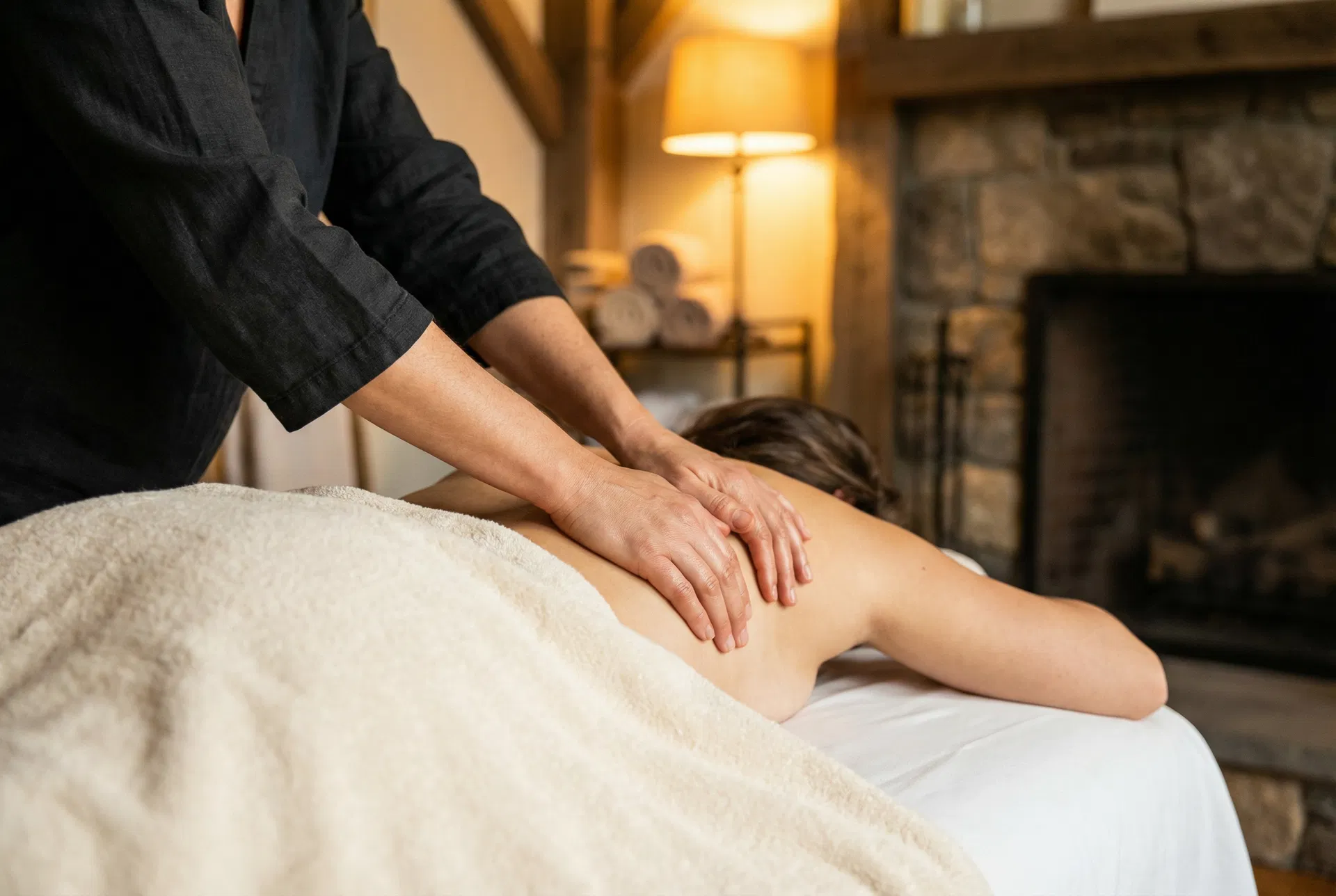
One of the most common pitfalls is the urge to 'fix' the problem. As a society, we're conditioned to problem-solve. Someone is hurting? Find the solution. But anxiety rarely has a quick fix, especially not one offered by an outsider. What an anxious person often needs most isn't a solution, but a witness. Someone to simply be there, without judgment, without trying to talk them out of their feelings. This is where the wellness industry, particularly in therapeutic settings, often excels – creating a safe, non-judgmental space. For spa owners and therapists, understanding this principle is paramount. It’s about holding space, not filling it with advice. It’s about validating their experience, not dismissing it. This can be as simple as saying, 'I see you're struggling right now. I'm here,' and then allowing silence to do its work.
Navigating the 'What Ifs' and Catastrophic Thinking
Anxiety thrives on 'what ifs.' It's a master storyteller, weaving elaborate, terrifying narratives of worst-case scenarios. When supporting someone caught in this spiral, it's tempting to try and dismantle each 'what if' with logic. 'What if I lose my job?' 'You're excellent at your job, that's unlikely.' While well-intentioned, this can quickly devolve into an exhausting debate where anxiety always has the last, most irrational, word. Instead, acknowledge the fear without validating the fantasy. 'That sounds incredibly scary to imagine.' Then, gently pivot towards what is real and controllable. 'What's one small step you can take right now?' Or, 'Let's focus on what we know for sure.' This approach helps ground them without dismissing their very real emotional distress. It’s about redirecting, not refuting.
Setting Boundaries: Protecting Yourself While Helping Others
This might be the most uncomfortable truth of all: you cannot pour from an empty cup, especially when dealing with the intense emotional demands of supporting someone with chronic anxiety. Many in the wellness space, from massage therapists to spa owners, are natural empaths. We want to help. But without clear boundaries, you risk compassion fatigue and burnout. It’s okay to say, 'I love you, and I want to support you, but I need to step away for a bit to recharge.' Or, 'I can listen for another 15 minutes, then I need to switch gears.' This isn't selfish; it's sustainable. It models healthy self-care, which is a powerful lesson for anyone, especially someone struggling with anxiety. Remember, you can't be a consistent source of support if you're constantly depleted. For spa professionals utilizing Klinika, managing your own energy and schedule is crucial for delivering quality care without sacrificing your well-being.
Key Takeaways
- Validate, Don't Reassure: Acknowledge their feelings without confirming their fears.
- Offer Presence, Not Solutions: Be a calm, non-judgmental witness.
- Focus on the Present: Gently steer conversations away from 'what ifs' to 'what is.'
- Set Healthy Boundaries: Protect your own energy to offer sustainable support.
- Encourage Professional Help: Suggest therapy or medical consultation when appropriate.
Supporting someone with anxiety is a marathon, not a sprint. It demands patience, empathy, and a willingness to step outside conventional wisdom. It’s about understanding that their anxiety isn't a flaw to be fixed, but a deeply ingrained response that needs gentle, consistent navigation. By adopting these nuanced approaches, we move beyond superficial fixes and offer truly meaningful support, fostering resilience and genuine connection. For more insights into holistic wellness and managing your practice effectively, explore more on our blog, and if you're a spa owner looking to empower your business, get started with Klinika today.