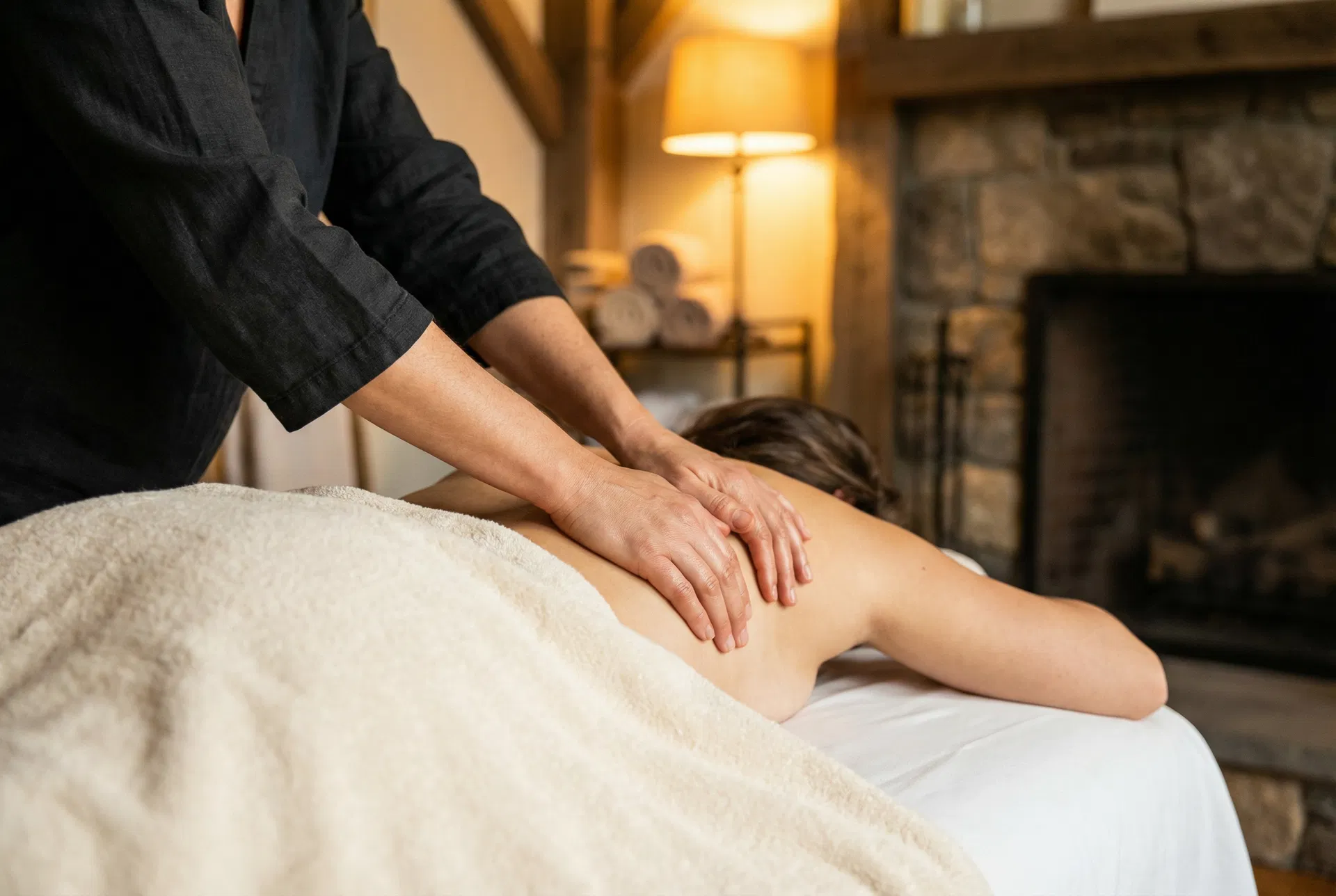
Let's be brutally honest: that post-massage glow, that feeling of liquid calm flowing through your veins, often evaporates faster than a drop of water on a hot stone. You walk out of the session feeling 100%, only to find yourself hunching over your laptop, clenching your jaw, or hauling groceries like a beast just a few days later. The industry, for all its talk of wellness, often fails to equip clients with the practical, actionable strategies needed to sustain those benefits. It’s a dirty secret: we’re great at the immediate fix, but less so at the long-term education. This isn't about blaming the client; it's about acknowledging a systemic gap in how we approach ongoing well-being.
The Illusion of the Quick Fix: Why One Session Isn't Enough
Many clients, and frankly, some therapists, view a massage as a one-off reset button. You're stressed, you get a massage, you're de-stressed. Rinse and repeat. But the human body, particularly one subjected to modern stressors, doesn't work that way. Think of your body as a garden. You can pull the weeds during a session, but if you don't tend to the soil, water regularly, and protect it from pests, those weeds will inevitably return. A single massage is a powerful intervention, yes, but it's not a permanent cure for chronic postural issues, emotional tension, or the relentless grind of daily life. It's a catalyst, a reminder of what your body can feel like, and an invitation to participate in your own healing journey. Without that participation, the effects are fleeting, and the investment, while momentarily blissful, loses its long-term value.
Beyond the Table: Embracing Active Recovery and Self-Care
The real work begins when you step off the massage table. This isn't about adding more items to your already overflowing to-do list; it's about integrating small, consistent practices that honor the state your body was in post-massage. Hydration is paramount – your tissues have just been worked, toxins mobilized, and water is essential for flushing them out. Gentle stretching, especially targeting areas your therapist highlighted as tight, can prevent muscles from reverting to their old patterns. Consider foam rolling or using a tennis ball for targeted myofascial release. These aren't just