Let's be brutally honest: for every five massage therapists who claim to offer 'hot stone therapy,' only one truly understands its nuanced application beyond simply warming up a client. And when it comes to cold stones? The numbers plummet even further. This isn't just about technique; it's about efficacy, client safety, and the stark reality that many practitioners are under-educated or simply following trends without a deep understanding of the physiological impact. The industry often sells the sizzle without the steak, leaving both clients and well-meaning therapists in a therapeutic gray area.
The Warm Embrace: Unpacking Hot Stone Therapy
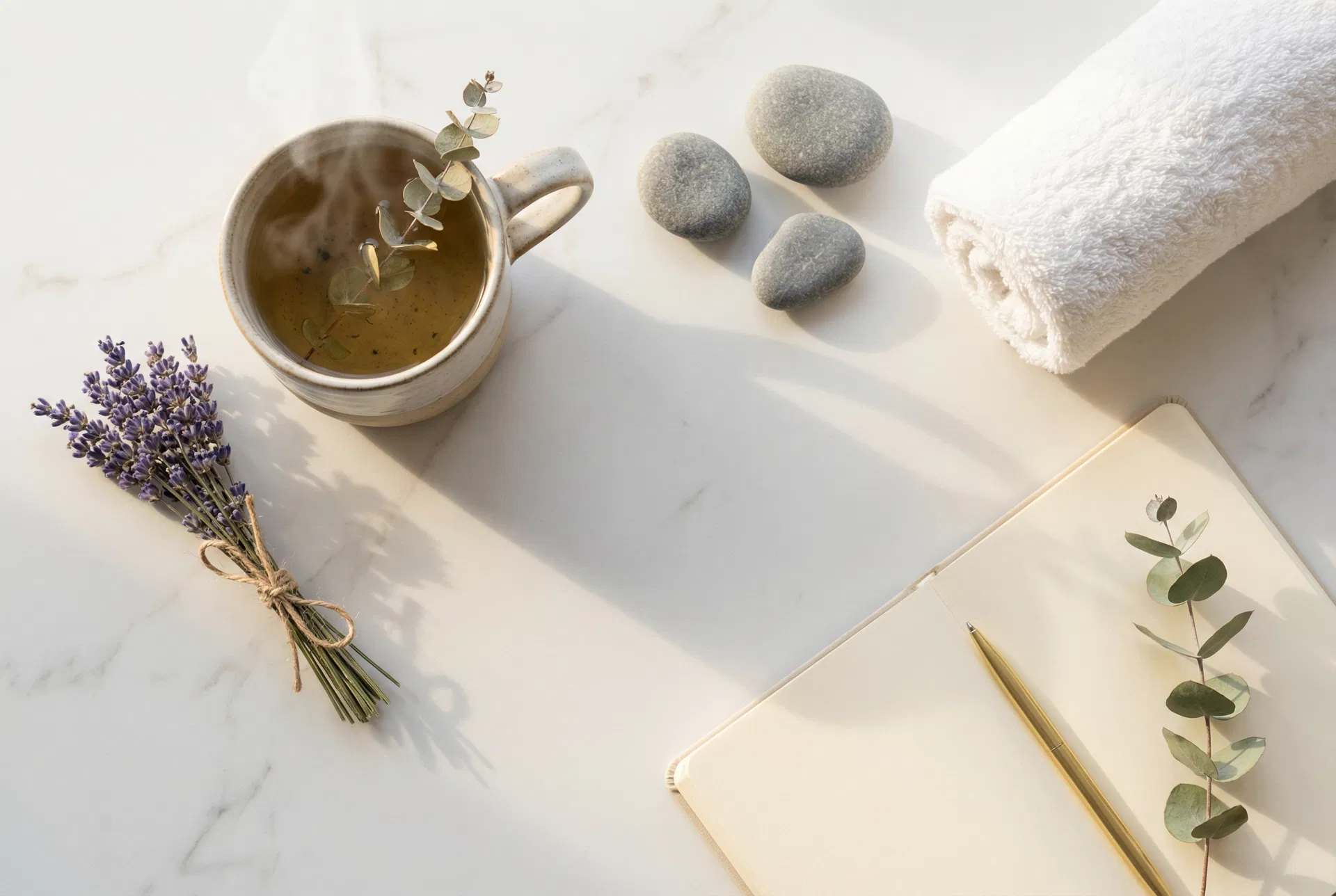
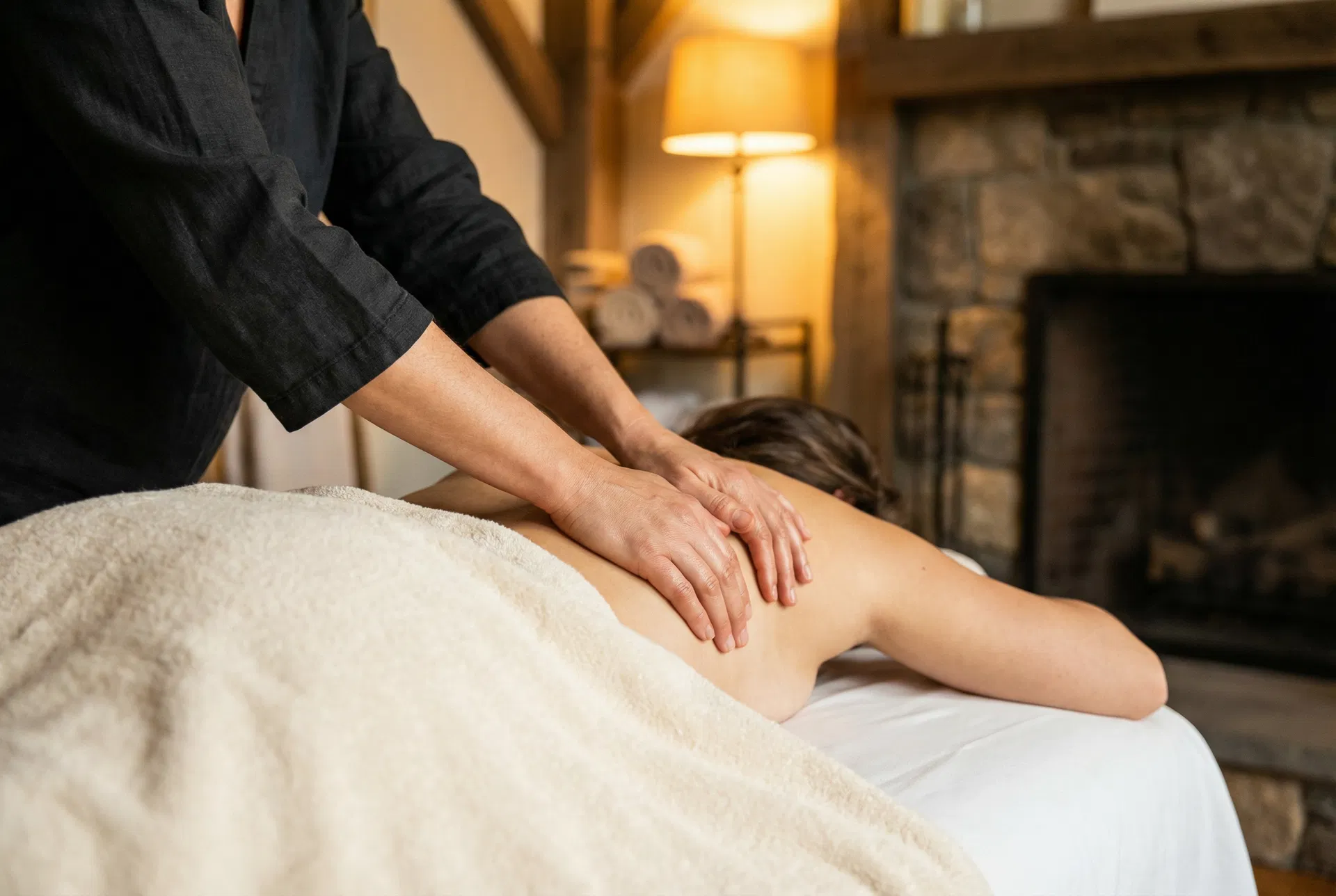
Hot stone therapy, when done right, is a symphony of warmth, pressure, and intention. It's not just about placing heated basalt stones on the back; it's about leveraging thermal conductivity to deepen muscle relaxation, improve circulation, and prepare tissues for more intensive work. The heat allows for a more profound release of muscle tension without the need for excessive pressure, making it ideal for clients with chronic muscle stiffness, fibromyalgia, or those seeking deep relaxation and stress reduction. It's also incredibly effective for pre-stretching or softening fascia. However, the 'ugly truth' is that many therapists overheat stones, leading to superficial burns, or use them as a passive prop rather than an active tool. I once witnessed a therapist at a high-end resort place stones so hot on a client's back that they visibly flinched, but, too polite, said nothing. The therapist, oblivious, continued. This isn't relaxation; it's negligence. Proper training, including understanding stone temperature regulation and contraindications, is paramount. Think about clients with peripheral neuropathy, heart conditions, or even certain medications – heat can exacerbate these issues if not applied judiciously.
The Icy Revelation: Mastering Cold Stone Therapy
Cold stone therapy remains the unsung hero of the wellness world, often overshadowed by its warmer counterpart. Yet, its therapeutic potential is immense, particularly for acute inflammation, headaches, sinus congestion, and post-injury recovery. The application of chilled marble or basalt stones causes vasoconstriction, reducing blood flow to the area, which in turn decreases swelling and pain. Following this initial constriction, a reflexive vasodilation occurs, flushing metabolic waste and bringing fresh, oxygenated blood to the tissues. This 'hunting response' is incredibly powerful for healing. I remember a client, a professional athlete, who came in with a severely inflamed IT band. Hot stones would have been counterproductive. A targeted cold stone application, combined with gentle stretching, provided immediate relief and accelerated his recovery timeline. The challenge? Many therapists are uncomfortable with cold applications, fearing client discomfort, or simply lack the specific training to integrate it effectively. This is where a truly skilled practitioner stands out – someone who understands the physiological dance between hot and cold.
Beyond Temperature: The Art of Contrast Therapy
The real magic often happens when hot and cold are used in conjunction – contrast therapy. This dynamic approach leverages the body's natural responses to temperature changes, creating a powerful therapeutic effect. Imagine alternating hot stones to induce deep relaxation and increase circulation, followed by cold stones to reduce inflammation and stimulate lymphatic drainage. This 'pumping' action is incredibly effective for conditions like chronic edema, muscle soreness, and even certain types of headaches. It's not just about applying heat, then cold; it's about understanding the timing, duration, and specific areas for application. A common mistake I've seen is haphazardly switching temperatures without a clear therapeutic goal, turning a potentially profound treatment into a confusing sensory experience for the client. The goal isn't just to feel good; it's to facilitate healing and physiological change. This requires a therapist who thinks critically, not just follows a script.
Client-Centric Application: Knowing Your Audience
Ultimately, the choice between hot, cold, or contrast therapy boils down to the individual client's needs, health status, and therapeutic goals. A client seeking pure relaxation and warmth on a cold winter day will likely benefit most from hot stones. Someone with a fresh injury, migraine, or experiencing hot flashes might find profound relief from cold stones. And for those with chronic pain, stiffness, or circulatory issues, contrast therapy can be a game-changer. This isn't a one-size-fits-all industry, and any therapist or spa owner who treats it as such is doing a disservice. It's about listening deeply, assessing thoroughly, and then applying the right tools with precision and care. This level of personalized care elevates a session from a mere luxury to a vital component of a comprehensive wellness strategy. It's the difference between a transactional service and a transformative experience. For spa owners, empowering your team with this advanced knowledge through platforms like Klinika ensures you're offering truly superior, safe, and effective treatments.
Key Takeaways
- Assess Thoroughly: Always conduct a detailed intake to understand client health, contraindications, and goals before choosing stone therapy.
- Master Temperature Control: Invest in quality stone heaters/chillers and thermometers. Overheating or under-chilling stones compromises efficacy and safety.
- Train for Precision: Don't just 'do' hot stones. Understand the physiology of heat and cold, and train for targeted, intentional application.
- Embrace Cold: Recognize and actively integrate cold stone therapy for its powerful anti-inflammatory and pain-reducing benefits.
- Consider Contrast: Explore the synergistic effects of alternating hot and cold for enhanced therapeutic outcomes in specific conditions.
The world of stone therapy is far richer and more complex than often portrayed. It demands respect, continuous learning, and a willingness to move beyond the superficial. As the wellness industry evolves, the demand for truly knowledgeable and skilled practitioners will only grow. It's time to elevate our standards, embrace the full spectrum of therapeutic possibilities, and ensure that every stone application, whether hot or cold, is delivered with intention, expertise, and a deep understanding of its profound impact. Don't just offer a service; offer genuine healing. To dive deeper into best practices and streamline your spa's operations, explore more on our blog and get started with Klinika today.